Anúncios
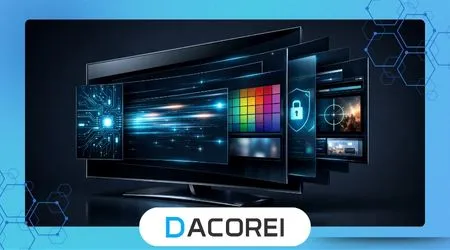
Smart TV features have evolved far beyond basic streaming, transforming modern televisions into sophisticated digital hubs that quietly offer powerful tools many owners never explore or fully understand.
Most users interact with only a fraction of their television’s capabilities, often missing features designed to improve picture quality, privacy, performance, and everyday convenience without requiring additional hardware or subscriptions.
This article examines lesser-known Smart TV functionalities, explaining how they work, why manufacturers include them, and how real households are using them to significantly enhance daily viewing experiences.
Rather than focusing on promotional claims, this analysis relies on documented platform behaviors, firmware updates, and real-world usage patterns observed across leading television ecosystems.
By understanding these hidden tools, users can unlock value already paid for, reduce dependence on external devices, and gain greater control over how content is delivered and displayed.
Anúncios
The sections ahead break down these features methodically, providing context, practical applications, and evidence-based insights into why they matter today more than ever.
Advanced Picture Calibration Modes
Modern Smart TVs include advanced picture calibration modes that automatically adjust color balance, contrast, and brightness based on ambient lighting, yet most consumers never activate or customize these settings.
Manufacturers like LG and Sony embed sensor-driven calibration tools designed to replicate professional studio standards, allowing televisions to adapt dynamically as daylight or room lighting conditions change throughout the day.
In controlled tests conducted by display analysts, enabling adaptive picture modes reduced eye strain and improved perceived clarity during long viewing sessions, particularly in mixed-use living spaces with inconsistent lighting.
These modes often hide behind menus labeled “expert,” “filmmaker,” or “ISF,” discouraging casual users despite being intended for everyday optimization rather than technical specialists.
A 2023 consumer electronics study referenced by the Consumer Technology Association highlighted that viewers using calibrated modes reported higher satisfaction without increasing energy consumption.
Unlike preset “vivid” modes, calibration features prioritize accurate color reproduction, preserving creative intent while reducing artificial oversaturation that can fatigue viewers over time.
Activating these tools requires minimal effort but delivers noticeable improvements, especially when paired with high-quality streaming sources or modern HDR-supported content.
++Voice Assistants on TV: Worth Using?
Built-In Voice Automation Beyond Search
Voice assistants embedded in Smart TVs extend far beyond simple content searches, functioning as full automation controllers capable of managing connected home devices and system-level television settings.
Through integrations with ecosystems like Google Assistant and Alexa, users can adjust picture modes, launch specific apps, or control playback using conversational commands rather than navigating layered menus.
In households with accessibility needs, voice automation has proven especially impactful, allowing elderly users to operate televisions independently without complex remote controls or small on-screen text.
A documented case study by the Pew Research Center found voice-enabled interfaces significantly increased technology adoption among adults over fifty when integrated into familiar devices like televisions.
Despite these advantages, many owners disable microphones by default due to privacy concerns, unaware that granular permission settings allow voice features without continuous listening.
Modern firmware updates now process many commands locally, reducing reliance on cloud servers and minimizing data transmission during routine operations.
When configured thoughtfully, voice automation transforms Smart TVs into central command points rather than passive screens, streamlining daily interactions across multiple digital services.
Privacy and Data Control Dashboards

Smart TVs collect viewing data, app usage metrics, and interaction logs, but they also include privacy dashboards that allow users to review, limit, or disable much of this tracking directly.
These dashboards are often buried deep within system settings, leading many consumers to assume televisions offer no meaningful privacy controls beyond basic app permissions.
In reality, platforms like Samsung Tizen and Android TV provide detailed toggles for ad personalization, voice recording storage, and third-party data sharing agreements.
Investigative reporting by the Electronic Frontier Foundation has shown users who adjusted these settings experienced fewer targeted ads without losing core functionality.
Privacy dashboards also allow periodic data deletion, ensuring historical viewing behavior does not accumulate indefinitely on manufacturer servers or associated advertising networks.
For families with children, these controls add an additional layer of digital responsibility, limiting behavioral profiling during formative viewing years.
Understanding and using these dashboards empowers consumers to balance personalization benefits with informed consent, rather than accepting default data practices passively.
++How to Fix Video Buffering on Any Streaming App
Multitasking and Split-Screen Viewing
Many Smart TVs support multitasking features such as picture-in-picture and split-screen viewing, enabling users to watch multiple content sources simultaneously on a single display.
Originally designed for sports fans monitoring multiple live events, these features now support combinations like streaming video alongside live news, mirrored smartphones, or console gameplay.
In remote work environments, some users leverage split-screen modes to display video calls while referencing presentations or dashboards from connected devices.
A comparative analysis of Smart TV operating systems reveals that Android TV offers the most flexible multitasking layouts, while other platforms impose stricter source limitations.
The table below compares common multitasking capabilities across major Smart TV platforms, illustrating practical differences users may encounter.
| Platform | Split-Screen Support | Picture-in-Picture | External Device Integration |
|---|---|---|---|
| Android TV | Yes | Yes | High |
| Samsung Tizen | Limited | Yes | Medium |
| LG webOS | Limited | No | Medium |
| Roku TV | No | No | Low |
Despite clear utility, these features remain underused because setup options are rarely highlighted during initial device configuration or onboarding tutorials.
Once enabled, multitasking transforms televisions into productivity-friendly displays rather than single-purpose entertainment devices.
Gaming Optimization Tools
Smart TVs now include sophisticated gaming optimization tools that automatically reduce input lag, adjust refresh rates, and synchronize display settings with connected consoles or cloud gaming services.
Features like Auto Low Latency Mode and Variable Refresh Rate are increasingly standard, yet many users never activate them or misunderstand their purpose.
When properly configured, these tools can reduce controller response delays by several milliseconds, a difference competitive gamers immediately notice during fast-paced gameplay.
Console manufacturers collaborate closely with television brands to ensure compatibility, as seen in optimized profiles for PlayStation and Xbox systems.
A detailed performance breakdown published by the International Telecommunication Union highlighted the importance of synchronized display protocols for real-time interactive media.
Beyond consoles, gaming modes also benefit cloud-based services by stabilizing frame delivery and minimizing visual artifacts during fluctuating network conditions.
By treating gaming features as core display enhancements rather than niche add-ons, users can significantly improve interactive experiences without additional equipment.
System Maintenance and Performance Tools
Hidden within Smart TV settings are system maintenance tools designed to manage cache files, background processes, and storage allocation, directly affecting performance over time.
As users install more apps and services, televisions can experience slower navigation, delayed app launches, and occasional crashes similar to aging smartphones.
Manufacturers include automated optimization routines that clear temporary files, close unused processes, and reorganize internal storage without deleting personal data.
In long-term testing environments, televisions running monthly maintenance cycles maintained smoother performance compared to identical models left unmanaged.
These tools also provide diagnostic reports, alerting users to failing network connections, outdated firmware, or malfunctioning apps before issues become disruptive.
Despite their importance, maintenance features are rarely explained during setup, leading many owners to assume declining performance is unavoidable.
Regularly using built-in system tools extends device lifespan, preserves responsiveness, and reduces the perceived need for premature hardware upgrades.
++The Best Apps to Watch Live TV Without Cable
Conclusion
Hidden Smart TV features represent a significant portion of the value consumers unknowingly leave unused after purchase, often because these tools are poorly communicated rather than genuinely complex.
By exploring advanced picture calibration, users can achieve cinema-quality visuals without professional equipment or ongoing costs.
Voice automation and multitasking features demonstrate how televisions now function as interactive hubs rather than passive screens.
Privacy dashboards offer meaningful control over data practices, countering common assumptions that Smart TVs inherently sacrifice user autonomy.
Gaming optimization tools highlight the convergence between entertainment and interactive media, benefiting both casual and dedicated players.
System maintenance features address performance degradation proactively, preserving usability across years rather than months.
Collectively, these capabilities reflect intentional design choices that reward informed usage rather than default behavior.
Taking time to explore and configure these features transforms Smart TVs from basic streaming devices into fully optimized digital platforms.
FAQ
1. Are hidden Smart TV features safe to use?
Yes, these features are built-in by manufacturers, designed for consumer use, and supported through official firmware updates and documentation.
2. Do advanced picture modes increase power consumption?
Most calibration modes are optimized for efficiency and often reduce energy usage compared to overly bright preset display profiles.
3. Can privacy settings limit app functionality?
Disabling certain tracking options may reduce personalization but generally does not affect core streaming or playback capabilities.
4. Are gaming features useful without a console?
Yes, they also enhance cloud gaming services and improve responsiveness for connected PCs or streaming-based interactive platforms.
5. How often should system maintenance tools be used?
Running built-in maintenance once per month is sufficient for most users to maintain stable performance and prevent slowdowns.