Anuncios
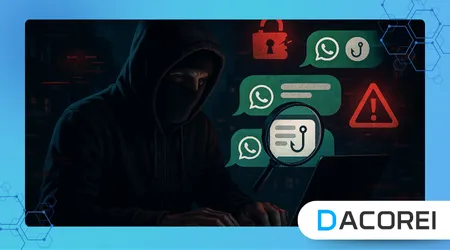
WhatsApp scams are growing rapidly, exploiting trust and familiarity to trick users into sharing money, personal data, and sensitive account access, putting millions at risk every day.
Cybercriminals craft convincing messages that appear to come from family, friends, banks, companies, or even official institutions, making victims believe the scam is real.
What starts as a harmless message can quickly lead to stolen bank access, hijacked accounts, and emotional damage when scammers impersonate loved ones to gain credibility.
Understanding how these schemes work is essential because scammers constantly evolve techniques targeting both younger and older populations using psychology and urgency.
This article explains the main types of scams on WhatsApp, how they typically unfold, and what actions you can take to stay protected from financial fraud.
Anuncios
By recognizing warning signs and following practical security measures, anyone can reduce vulnerability and help create a safer communication environment for all users.
The Most Common Types of WhatsApp Scams
Criminals frequently impersonate relatives in urgent need of money, using emotional pressure and rushed demands to prevent victims from thinking clearly before sending funds.
Fraudulent prize scams promise expensive rewards, such as new smartphones or cash bonuses, but require advance payments or personal data that scammers later exploit.
Account hacking schemes request verification codes claiming technical checks or recovery procedures, when in reality the attacker uses that code to take over the victim’s WhatsApp.
Investment scams on WhatsApp promote crypto schemes and “guaranteed profits,” using fake testimonials and screenshots designed to create the illusion of quick and safe returns.
Fake shopping offers advertise popular products at extremely low prices, but once the payment is made, victims never receive the purchased items or any form of refund.
++Cómo crear contraseñas seguras que puedas recordar
How Scammers Build Trust and Manipulate Victims
Fraudsters humanize their approach by using real profile photos stolen from social networks and language that matches the person they are pretending to be, making the scam appear genuine.
Many scams involve links to cloned websites that visually replicate trusted brands, a technique confirmed by cybersecurity researchers from the Comisión Federal de Comercio to be one of the biggest causes of digital identity theft.
Scammers introduce urgency, such as claims of lost phones, emergencies, or blocked accounts, forcing victims to respond quickly without verifying authenticity.
They continuously test emotional vulnerability, especially when pretending to be relatives who need help, because they know empathy and fear often override rational thinking.
Audio messages are increasingly used to mimic a familiar voice, breaking resistance and creating a stronger emotional connection that pushes users to comply more easily.
Real Cases: How People Lost Money Instantly
In Brazil, thousands of users have reported “son in trouble” scams, where criminals impersonate family members and ask for money transfers to supposedly solve legal or medical emergencies.
International cybersecurity agencies like Europol have documented operations where organized groups steal WhatsApp numbers and negotiate access to victims’ bank accounts.
Victims describe feelings of guilt mixed with shock, realizing too late that the emotional urgency made them trust a lie from someone they believed they knew well.
A frequent pattern shows scammers quickly block the victim after receiving transfers, making recovery extremely difficult due to anonymity and speed of digital payments.
Psychologists note that even highly educated individuals fall for these scams because trust in known contacts is strong, illustrating that awareness is more important than intelligence alone.
Warning Signs That Identify WhatsApp Scams Fast
Unexpected messages requesting money should be questioned immediately, especially when the sender refuses voice calls or makes excuses to avoid natural conversation.
A genuine contact normally communicates calmly, so messages with strong urgency or insistence on fast transfers are clear indicators of manipulation and potential fraud.
Cybersecurity experts from Interpol warn that requests for verification codes must always be rejected, because no legitimate agent or friend needs that information to help.
Misspelled names, unusual phrasing, or conversation styles that do not match the real person can reveal impersonation attempts even before financial requests begin.
Links or attachments from unknown sources should never be opened, as they may contain malware designed to steal passwords, access your contacts, or clone your WhatsApp.
Protective Measures and Security Settings
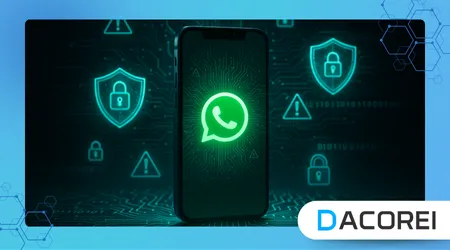
Enable two-step verification in WhatsApp settings, adding an extra security layer that prevents attackers from accessing your account even if they obtain the verification code.
Educating family members, particularly seniors who may be more easily manipulated, helps ensure everyone recognizes fraud attempts and responds with caution.
Confirming identities through a quick phone call can stop scams instantly, because criminals usually avoid voice conversation due to fear of being exposed by their speech.
Keeping your device updated ensures the latest security protections are in place, reducing vulnerabilities used by criminals to install spyware or clone accounts without detection.
Avoiding public Wi-Fi networks when handling sensitive chats or financial conversations protects against interception methods used by cybercriminals on unsecured networks.
++Las mejores aplicaciones antivirus: ¿cuál funciona realmente?
Example Table: Quick Guide to Scam Types and Red Flags
| Tipo de estafa | Typical Approach | Most Common Red Flag |
|---|---|---|
| Relative impersonation | Emotional urgency, money request | Refuses calls |
| Fake prizes | Requires personal info or fees | Too good to be true |
| Account hijacking | Requests verification code | Claims account recovery |
| Fake store offers | Very cheap products | Payment before delivery |
| Investment schemes | Guaranteed profits | Pressure to invest fast |
What to Do If You’re Targeted or Already a Victim
If you receive a suspicious message, stop responding and immediately contact the actual person through another channel to confirm whether the message is legitimate or fake.
When scammers gain access to your account, notify contacts and request they ignore unusual requests, preventing further spread of the scam and protecting others from becoming victims.
Reporting incidents directly to WhatsApp helps remove malicious numbers and contributes to data used by law enforcement agencies to track organized digital fraud networks.
Banks often have rapid support channels dedicated to fraud recovery, so contacting your financial institution immediately can improve chances of reimbursement before it is too late.
Gathering screenshots, transaction details, and any information shared during the scam provides crucial evidence if authorities or digital crime investigators need to take action later.
Conclusión
WhatsApp scams continue to evolve, demonstrating that criminals understand human behavior and constantly adapt strategies to exploit emotional trust and digital habits.
Recognizing warning signs allows users to break the emotional manipulation cycle and protect themselves before any money or sensitive information is shared with fraudsters.
Security tools such as two-step verification, clear identification checks, and education among family circles significantly reduce exposure to digital crime threats.
Remaining vigilant, confirming identities, and reporting suspicious behavior create a safer online space, supporting global efforts to stop criminals who rely on deception and psychological control.
PREGUNTAS FRECUENTES
1. What are the most common WhatsApp scams?
Impersonation, account takeover attempts, fake shopping, investment schemes, and prize fraud are currently the most widespread tactics used by scammers.
2. How can I quickly verify a suspicious message?
Call the person directly or ask a personal question only the real contact would know to confirm identity before responding or sending money.
3. Can scammers hack WhatsApp without a verification code?
It is extremely difficult, and most hijacking cases occur only after victims unknowingly share their verification codes with attackers.
4. Should I report scams to WhatsApp?
Yes, reporting helps remove fraudulent accounts and contributes to safety improvements for all users by exposing criminal activity patterns.
5. Can I recover money lost to a WhatsApp scam?
Recovery is not guaranteed, but contacting your bank immediately increases chances of refund, especially if payment processing has not been finalized.