Anuncios

Digital payments have rapidly transformed how people move money, making everyday purchases faster while improving access and convenience across multiple platforms and devices worldwide.
The evolution of payment technology reflects an ongoing shift toward seamless digital experiences that reduce friction and increase security without compromising consumer freedom or control.
Consumers now expect instant transactions in physical stores and online, pushing financial institutions and fintech innovators to modernize how money circulates globally.
As more people adopt cashless habits, digital wallets, online banking, and biometric authentication contribute to safer and simpler financial interactions for individuals everywhere.
This article explores the major stages of digital payment evolution, analyzing innovations that shaped today’s market and the breakthroughs expected to define the near future of financial technology.
Anuncios
Understanding these changes helps consumers feel more confident with emerging tools that will continue evolving and simplifying how payments work across borders and generations.
From Cash to Cards
The earliest digital payment journey began when traditional cash transactions gradually shifted toward debit and credit card usage, which introduced electronic processing and robust security validation systems.
Plastic cards linked directly to financial institutions allowed consumers to carry less physical cash, reducing theft risks while enabling secure payment authorization through centralized verification.
Banks and card networks built reliable infrastructures for handling electronic transactions at massive scale, encouraging retail stores to adopt point-of-sale terminals supporting faster checkout experiences.
Over the decades, features like PIN security and EMV chip technology significantly reduced fraud by making it harder for criminals to clone or misuse card data.
The foundation created during the card era set the stage for today’s rapid shift into mobile-first, software-driven financial environments that extend well beyond physical plastic.
Mobile Wallet Revolution
Smartphones enabled the rise of mobile wallets, allowing users to store multiple cards digitally and make payments using encrypted tokens rather than exposing real account details when purchasing.
Major services like Apple Pay and Google Wallet changed consumer expectations by offering tap-to-pay convenience, supported by biometric verification that improved both usability and personal security protection.
Según el Banco mundial, billions of unbanked individuals now gain access to digital transaction tools that help participate in the modern economy without traditional banking infrastructure.
Mobile payment adoption accelerated during and after the pandemic, as consumers favored contactless methods in both small shops and large retailers to minimize physical interaction.
Businesses now invest heavily in software ecosystems that integrate loyalty rewards, purchase history, and real-time spending insights directly into mobile payment experiences globally.
++New Apps That Are Making Life Easier After 40
Contactless and Wearables
Contactless payments let users tap cards or smartphones near payment terminals, transmitting encrypted information that completes purchases within seconds while maintaining advanced safety protections against unauthorized access.
Wearable devices like smartwatches also process payments with secure NFC technology, enabling athletes, commuters, and busy consumers to buy essentials without carrying wallets or phones.
Compliance guidance from the Federal Reserve has encouraged banks to expand secure digital transaction support to improve financial inclusion across different demographics and regions.
Tap-to-ride public transportation systems demonstrate the convenience of contactless technology, speeding up passenger flow and reducing operational costs for transit operators in major cities.
As sensors improve, wearables could link payments to health data or personalized services, transforming everyday objects into secure financial tools with minimal user effort required.
++Servicios de streaming: ¿Qué está cambiando este año?
Security Innovations
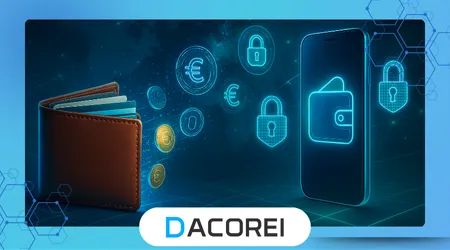
Security advancements drive trust in digital payments, with encryption and dynamic authentication preventing hackers from capturing sensitive card numbers and impersonating authorized users during transactions.
Tokenization ensures that merchants never store actual financial data, replacing it with limited-use codes that become useless if intercepted during online payments or system breaches.
A report by the IMF highlights how artificial intelligence now monitors billions of transactions daily to detect unusual patterns and predict fraud before losses occur.
Biometrics such as fingerprint scanning, facial recognition, and behavioral patterns improve verification accuracy while removing the burden of memorizing passwords or exposing private credentials unnecessarily.
As cyberthreats evolve, payment platforms continue refining monitoring systems, making digital payments safer than traditional methods that rely solely on physical card possession or human recognition.
Global Inclusion and Digital Wallets
Digital payments unlock opportunities in emerging markets where limited banking access once slowed economic growth and excluded millions from modern financial participation and online commerce.
Cross-border mobile wallets simplify international transfers for migrant workers, enabling low-cost remittances that support families while bypassing traditional systems known for delays and high fees.
Governments study innovation guidelines provided by institutions like the European Central Bank to expand financial literacy and accelerate regulated digital payment adoption.
Local fintech startups create culturally tailored tools, integrating QR codes, prepaid balances, and instant micro-loans that help small merchants operate efficiently without requiring expensive equipment.
By reducing barriers, digital payments contribute to broader financial inclusion, enabling people from diverse regions to manage money securely and access vital services previously unreachable.
Tecnología portátil: los nuevos gadgets para la salud y el bienestar
The Future of Digital Currency
The rise of blockchain-based systems introduces decentralized alternatives where value transfers without intermediaries, increasing transparency while lowering transactional friction across international borders.
Central bank digital currencies (CBDCs) undergo pilots worldwide, offering government-backed stability combined with faster settlement times and programmable features for improved efficiency.
The table below shows a basic comparison between traditional cards, digital wallets, and blockchain-based payment models, highlighting strengths and primary challenges still being addressed.
| Payment Type | Speed | Nivel de seguridad | Main Challenge |
|---|---|---|---|
| Card | Fast | Alto | Physical fraud risk |
| Digital Wallet | Very Fast | Muy alto | Device dependency |
| Blockchain | Instant | Highest | Regulatory maturity |
Future payments may merge multiple technologies, allowing users to transition seamlessly between centralized systems, decentralized networks, and embedded devices based on preference and situational needs.
As standards converge, digital payments will likely become invisible, functioning automatically through secure identity layers that eliminate friction while protecting individual rights.
Conclusión
Digital payments continue evolving with a strong focus on reducing fraud, improving accessibility, and delivering seamless transaction flows across increasingly connected digital environments worldwide.
Consumers benefit from faster purchases, stronger protections, and greater transparency, helping them manage budgets efficiently while accessing a global marketplace without geographic limitations.
As financial institutions collaborate with fintech innovators, systems will keep improving, supported by smarter regulations and responsible technology standards that protect users effectively.
The future remains promising, with digital payments becoming safer and simpler while empowering people everywhere to participate more confidently in the digital economy.
PREGUNTAS FRECUENTES
1. Are digital payments safer than cash or cards?
Digital payments use encryption, biometrics, and fraud detection systems, making them highly secure and often safer than physical cards or cash that can be lost or stolen.
2. What happens if my phone is stolen while using digital wallets?
Biometric locks and tokenized credentials ensure thieves cannot access financial data, and users can instantly deactivate wallet access using remote security features provided by device manufacturers.
3. Do digital payments require an internet connection?
Most transactions do, but some systems support limited offline functionality, allowing temporary authorization that syncs later once a secure connection becomes available.
4. Are digital payments accessible to unbanked communities?
Yes, mobile wallets and fintech services enable people without traditional bank accounts to transfer funds, receive payments, and participate in digital commerce quickly and affordably.
5. Will physical cash disappear completely in the future?
Cash likely continues existing for specific cultural and practical reasons, but digital transactions will dominate as infrastructure expands and public trust in technology keeps increasing.