
Annonces
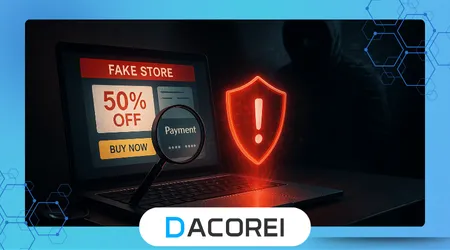
Safe online shopping requires knowledge, attention, and smart decisions to avoid falling into traps that can cost money, data, and personal security, especially with so many tempting offers everywhere.
Online shoppers must understand how to recognize trustworthy websites and avoid risky ones that try to appear legitimate but hide harmful intentions behind professionally designed pages.
Learning how to verify sellers, identify security certificates, and analyze website reputations can significantly reduce the risk of financial fraud and identity theft while shopping online.
Consumers should pay attention to suspicious behavior like unexpected payment methods, exaggerated discounts, or retailers that refuse to disclose essential information, including addresses or contact numbers.
Cybercriminals continually create new scams using fake stores, misleading ads, and counterfeit tracking systems, making it increasingly important for every buyer to stay alert.
Annonces
This guide will help you build safer habits, protect your money, and enjoy your shopping experience with confidence, even when interacting with unfamiliar online stores.
Check Website Authenticity Before Buying
Legitimate online stores always include complete contact information, including phone number, physical address, and customer support, so shoppers can confirm the business truly exists before paying anything.
Consumers should verify whether a website uses HTTPS encryption because missing security certificates can expose personal data and allow attackers to intercept sensitive information such as card details.
Unusual domain extensions or websites with subtle misspellings of famous brand names may indicate fraudulent operations pretending to be trusted retailers in order to deceive inexperienced shoppers.
Look for a professional user experience, because poorly written content, broken layouts, or missing policy pages are strong signals that the seller may ignore customer rights or support.
Real customer reviews on independent platforms help validate reliability, while generic or overly positive comments on the store’s own site often appear artificially created to mislead buyers.
++What to Do If Your WhatsApp Account Gets Hacked
Protect Your Payment Information Carefully
Before entering card data, confirm that the store uses secure and traceable payment methods that offer dispute protection if a purchase goes wrong or a product never arrives.
Government agencies like the Commission fédérale du commerce publish official recommendations that help buyers identify fraud indicators and protect themselves against financial loss without requiring technical knowledge.
Avoid direct bank transfers because they provide no method to recover money from fraudulent transactions, leaving victims without protection against dishonest or disappearing sellers.
Virtual cards and digital wallets add extra layers of security by generating temporary payment details that prevent criminals from reusing stolen card information for future unauthorized purchases.
Never save payment information when you shop on websites that you do not completely trust, because stored data increases financial exposure if the store suffers a cybersecurity breach.
++How to Enable Two-Step Verification
Research Seller Reputation Using Trusted Sources
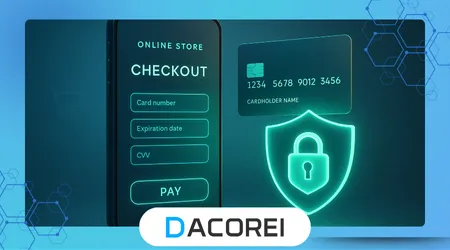
Consumers can search for independent complaints platforms to check if other shoppers have reported delayed deliveries, defective products, or unresponsive customer service before risking their own purchase.
Resources such as the Better Business Bureau provide business ratings, complaint histories, and transparency scores, allowing buyers to understand a seller’s reputation with factual evidence.
Social media comments can reveal recurring problems like fake products, unreliable tracking numbers, or sudden profile deletions that indicate the seller intends to avoid accountability.
Buyers should look at how sellers respond to negative feedback because reputable companies address issues publicly, while scammers often ignore complaints or disappear shortly after receiving payments.
Comparing multiple stores helps shoppers identify unrealistic offers that seem far cheaper than competitors because enormous discounts often appear when fraudsters want quick money before disappearing.
Identify Red Flags During Checkout
Unexpected shipping fees and forced upgrades at the final step can indicate dishonest pricing strategies that pressure shoppers into completing purchases without fair information provided upfront.
If a seller refuses to provide a clear refund policy, the customer may have no chance to recover money if the delivered product fails to match advertised features or expectations.
Payment methods limited to cryptocurrency or wire transfers strongly signal risk because these options allow scammers to keep money permanently without offering any legitimate buyer protection.
Example of Common Checkout Warning Signs
| Warning Sign | Why It’s Dangerous |
|---|---|
| No refund policy | No way to recover money if product is wrong |
| Only crypto payments | Impossible to dispute or reverse transaction |
| Unrealistic discounts | Classic bait to attract victims quickly |
| Website errors on checkout | Possibly fake platform with insecure system |
| Missing contact support | No help if something goes wrong |
Pop-ups asking for additional personal information unrelated to delivery may indicate data-harvesting attempts designed to collect details for future scams or identity theft.
Use Secure Networks and Devices When Shopping
Shoppers should avoid entering personal or financial information on public Wi-Fi because shared networks allow attackers to intercept data and spy on browsing activity without being noticed.
Le Cybersecurity & Infrastructure Security Agency offers guidance that explains how unsecured networks make people vulnerable to cybercrime, especially when passwords or card information pass through unsafe connections.
Regularly updating devices strengthens protection against malware created to capture credit card numbers during payment screens or redirect users toward fraudulent versions of legitimate websites.
Installing reputable antivirus apps blocks malicious scripts hidden inside pop-ups, fake ads, or infected promotional codes that appear while browsing e-commerce platforms during busy shopping seasons.
Multi-factor authentication, device lock screens, and strong passwords ensure that compromised accounts cannot be accessed easily by criminals even if they discover login credentials.
Protect Your Rights After the Purchase
Shipment tracking must start quickly after payment, and unreliable sellers often delay confirmations because they never intended to send anything or plan to send counterfeit goods instead.
Consumers can verify product authenticity using official brand websites such as Consumer.gov to confirm warnings and instructions about counterfeits or unauthorized resellers currently active online.
If an item arrives damaged or incorrect, buyers should contact support immediately because delaying a complaint may allow a seller to deny responsibility or ignore legal consumer protections.
Monitoring bank statements ensures that no extra charges appear later since criminals may test stolen data with small transactions before attempting larger, more harmful withdrawals.
Reporting fraudulent transactions to authorities helps fight cybercrime, while sharing personal experiences online can warn others before they fall into the same type of scam.
++How to Block Suspicious Calls and Messages
Conclusion
Responsible shopping habits reduce stress, prevent financial harm, and ensure more positive experiences, especially during large sales events where scammers become more active and aggressive online.
Each small verification step creates stronger protection, allowing people to enjoy digital convenience without sacrificing safety or losing money to criminals who depend on rushed decisions.
Understanding website credibility, reviewing seller history, and protecting payment information ensures that consumers remain in control of every purchase, even when browsing unfamiliar stores online.
Staying informed, alert, and prepared empowers shoppers to trust their instincts, avoid suspicious deals, and make smarter decisions every time they find a tempting offer on the internet.
FAQ
1. How can I recognize a fake online store?
Fake stores lack transparency, provide unrealistic discounts, show spelling errors, and hide contact information, which helps criminals avoid detection while collecting money from customers.
2. What should I do if I already shared my card details?
Contact your bank immediately, request card cancellation, activate transaction monitoring tools, and inform support teams about suspicious charges so they can block fraud attempts quickly.
3. Are online marketplaces safer than independent stores?
Marketplaces offer dispute systems and verified sellers, but scams still happen because fraudsters create temporary listings that disappear as soon as enough people place orders.
4. Is it dangerous to buy from new online stores?
New stores are not necessarily fraudulent, but shoppers should confirm credibility through reviews, refund policies, and secure payment methods to avoid losing money or receiving fake products.
5. Why is public Wi-Fi risky for online shopping?
Public networks can expose passwords and card information because hackers can intercept traffic, capture data, or infect devices with malware during the checkout process.