Annonces
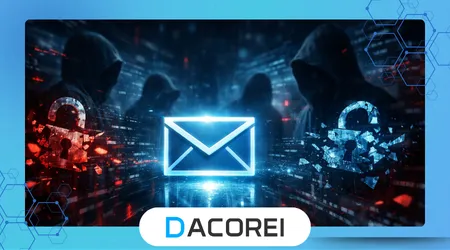
Les conseils de sécurité relatifs à la messagerie électronique définissent le risque numérique moderne, car les boîtes de réception centralisent les informations d'identité, d'accès et de confiance. Les pirates informatiques privilégient la messagerie électronique, car une seule compromission permet de compromettre rapidement de nombreux systèmes.
Cet article analyse les raisons pour lesquelles les attaquants ciblent l'infrastructure de messagerie électronique dans les environnements grand public et professionnels. Il évalue les motivations techniques, comportementales et économiques qui sous-tendent les attaques par courriel.
Ce document couvre les mécanismes d'hameçonnage, la réutilisation des identifiants, la diffusion de logiciels malveillants et les schémas de prise de contrôle de comptes. Il examine également les mesures de protection qui ont démontré leur efficacité contre des campagnes réelles.
L'analyse s'appuie sur des cas de gestion d'incidents, des informations réglementaires et des tendances en matière de télémétrie de sécurité. L'approche reste pratique plutôt que théorique ou promotionnelle.
Cet article démêle le vrai du faux concernant les menaces par courriel. Il explique clairement, preuves à l’appui, les méthodes des attaquants et les contre-mesures des défenseurs.
Annonces
La conclusion synthétise les mesures de contrôle applicables aux individus et aux organisations. Elle met l'accent sur la sécurité multicouche, la gouvernance et la réduction continue des risques.
Pourquoi le courrier électronique offre le meilleur retour sur investissement aux attaquants
La messagerie électronique centralise la réinitialisation des identifiants, la vérification des comptes et les flux de communication confidentiels. Une seule boîte de réception contrôle souvent des dizaines de services liés.
Les attaquants exploitent les failles de sécurité des messageries électroniques, car les systèmes de défense varient considérablement d'un utilisateur et d'un fournisseur à l'autre. Ces configurations défaillantes créent un avantage asymétrique pour les intrus.
L’hameçonnage reste efficace en raison des présomptions de confiance inhérentes aux protocoles de messagerie électronique. Les utilisateurs associent toujours les marques familières à la légitimité.
Le courrier électronique permet une ingénierie sociale à grande échelle avec un investissement minimal en infrastructure. Les campagnes touchent des millions de personnes grâce à des outils standard.
La collecte d'identifiants par courriel contourne totalement les protections des terminaux. Les victimes cèdent volontairement leurs accès lors d'échanges frauduleux.
Le courrier électronique facilite également la diffusion de logiciels malveillants sans exploitation directe. Les pièces jointes et les liens effectuent la première étape d'exécution.
La compromission de la messagerie professionnelle génère des gains financiers immédiats pour les attaquants. La fraude par virement bancaire et la falsification de factures reposent sur l'accès à la boîte de réception.
Les archives de courriels contiennent des années de données sensibles. Les messages historiques révèlent des habitudes, des contacts et des questions de sécurité.
Ces facteurs expliquent pourquoi le courrier électronique demeure le principal vecteur d'intrusion. Les attaquants privilégient l'impact, l'ampleur et la persistance de leurs attaques.
++Comment détecter les faux sites web avant de saisir des données personnelles
Comment les campagnes d'hameçonnage exploitent les faiblesses humaines et techniques
L'hameçonnage réussit en combinant pression psychologique et ambiguïté technique. L'urgence inhibe les comportements de vérification rationnelle.
Les attaquants personnalisent leurs messages à l'aide de données compromises et d'informations publiques. Cette personnalisation accroît la crédibilité et les taux de clics.
Les kits de phishing modernes reproduisent les portails de connexion avec une précision quasi parfaite. Les victimes détectent rarement les subtiles différences de domaine.
Les failles dans l'authentification des courriels permettent à des identités d'expéditeur usurpées de contourner les filtres. Des domaines mal configurés augmentent le taux de réussite de la livraison.
La formation à la sensibilisation à la sécurité réduit les risques, mais n'élimine pas l'exposition. La fatigue et les changements de contexte altèrent le jugement.
Les plateformes de messagerie cloud augmentent la surface d'attaque par le biais d'intégrations. L'utilisation abusive d'OAuth contourne totalement les protections par mot de passe.
Conformément aux directives de Commission fédérale du commerceLes pertes liées au phishing continuent d'augmenter chaque année. Leur impact financier est davantage lié à l'ampleur du phénomène qu'à sa sophistication.
L'hameçonnage cible également les flux de travail internes tels que le partage et l'approbation de documents. La familiarité des processus diminue le seuil de suspicion.
Comprendre ces dynamiques permet d'établir des priorités en matière de défense. Les contrôles doivent prendre en compte à la fois les facteurs humains et les protocoles.
Économie de la réutilisation des identifiants et de la prise de contrôle de comptes
La réutilisation des identifiants amplifie les risques liés aux courriels dans l'ensemble des écosystèmes numériques. Une seule faille de sécurité peut entraîner de multiples compromissions.
Les attaquants monétisent les identifiants grâce à des tests de connexion automatisés. L'accès par e-mail augmente considérablement le taux de réussite.
Les gestionnaires de mots de passe réduisent la réutilisation, mais leur adoption reste inégale. De nombreux utilisateurs s'appuient encore sur des schémas mémorisés.
L'authentification multifacteurs bloque la plupart des attaques automatisées. Cependant, l'authentification multifacteurs par courriel introduit des dépendances circulaires.
Les attaquants interceptent les codes de vérification une fois les boîtes de réception piratées. Les procédures de récupération de compte leur sont alors favorables.
Le tableau ci-dessous récapitule les vecteurs de prise de contrôle courants et les mesures d'atténuation.
| Vecteur d'attaque | Faiblesse principale | Contrôle efficace |
|---|---|---|
| Hameçonnage | La confiance des utilisateurs | L'authentification multifacteur matérielle |
| bourrage d'identifiants | Réutilisation du mot de passe | Mots de passe uniques |
| abus d'OAuth | Applications surprivilégiées | Audit d'applications |
| Détournement de récupération | dépendance au courrier électronique | Récupération hors ligne |
Normes de la Institut national des normes et de la technologie Privilégier l'authentification multicouche. La cohérence de la mise en œuvre détermine les résultats.
Les incitations économiques favorisent le piratage des messageries électroniques car elles réduisent le coût par compte. Les attaquants suivent une logique de profit prévisible.
Réduire la réutilisation et renforcer les voies de récupération perturbe cette logique. La défense doit donc accroître les difficultés rencontrées par les attaquants.
Diffusion de logiciels malveillants via des pièces jointes et des liens dans les courriels
Le courrier électronique demeure un vecteur privilégié de diffusion de logiciels malveillants. Les pièces jointes contournent le filtrage web lorsqu'elles sont placées dans un contexte de confiance.
Les attaquants intègrent des macros, des scripts ou des fichiers exécutables malveillants. Les formats de fichiers exploitent la familiarité des utilisateurs.
Les liens redirigent vers des téléchargements malveillants ou des kits d'exploitation. Les URL raccourcies masquent les risques liés à la destination.
Le sandboxing réduit l'exposition, mais les attaquants s'adaptent rapidement. L'exécution différée permet d'échapper à l'analyse dynamique.
Les campagnes ciblées utilisent des documents d'apparence anodine. Les factures et les bordereaux d'expédition sont les appâts les plus fréquents dans les échantillons observés.
Les auteurs de rançongiciels s'appuient sur un accès initial par courriel. La propagation latérale commence une fois le point d'entrée établi.
L’Agence de cybersécurité et de sécurité des infrastructures (CISA) publie des avis publics faisant état de plusieurs épidémies récurrentes transmises par courriel. Ces schémas se répètent dans différents secteurs.
Les passerelles de messagerie bloquent efficacement les signatures connues. Cependant, de nouveaux messages malveillants parviennent toujours à atteindre les boîtes de réception.
La défense exige le contrôle des pièces jointes, la réécriture des liens et la limitation des actions des utilisateurs. Aucun filtre unique ne suffit.
Pourquoi la compromission d'un courriel permet une surveillance à long terme
L'accès à la messagerie électronique permet aux attaquants de recueillir des renseignements de manière passive. La surveillance des conversations révèle les rythmes organisationnels.
Les attaquants lisent en silence avant d'agir. La patience améliore le timing et la crédibilité de la fraude.
Le détournement de fil de discussion consiste à insérer des réponses malveillantes dans des échanges légitimes. Les destinataires remettent rarement en question la continuité des messages.
La surveillance permet de découvrir des cibles secondaires au sein des réseaux. Les relations de confiance élargissent le champ d'application des attaques.
Les attaquants récupèrent également des documents et des identifiants sensibles. L'exfiltration des données se fait progressivement.
Les équipes de sécurité négligent souvent la surveillance discrète de leur boîte de réception. Les alertes ne se déclenchent que lors d'actions manifestes.
L'enregistrement des données et la détection des anomalies révèlent les schémas d'accès inhabituels. La géolocalisation et l'identification des appareils sont importantes.
Un accès prolongé augmente de façon exponentielle le potentiel de dommages. Une détection précoce en limite l'impact.
La sécurité du courrier électronique doit prendre en compte la persistance des failles, et pas seulement la prévention. Une surveillance continue permet de combler ces lacunes.
Protégez vos enfants en ligne : des applications de contrôle parental vraiment efficaces.
Élaboration d'une stratégie de sécurité de messagerie pratique
Une sécurité efficace du courrier électronique repose sur la technologie, les politiques et les comportements. Les mesures de contrôle isolées sont inefficaces sous pression.
Mettez en place une authentification multifacteurs résistante au phishing pour tous. Les clés matérielles sont plus sûres que les codes SMS et e-mail.
Renforcez l'authentification de domaine à l'aide de SPF, DKIM et DMARC. L'alignement réduit considérablement les risques d'usurpation d'identité.
Limitez strictement les autorisations des applications tierces. Les jetons OAuth doivent faire l'objet d'une gestion de leur cycle de vie.
Séparez les canaux de récupération administrative de la messagerie principale. Les sauvegardes hors ligne empêchent les abus liés au verrouillage.
Former les utilisateurs grâce à des simulations réalistes et à des retours d'information. L'évaluation permet d'améliorer les performances.
Surveillez l'accès à la boîte de réception grâce à l'analyse comportementale. Recevez une alerte immédiate en cas de connexion anormale.
Élaborer des procédures de réponse aux incidents en cas de compromission de messagerie électronique. La rapidité d'intervention est déterminante pour la réussite du confinement.
La maturité en matière de sécurité repose sur la constance, et non sur la nouveauté. Le courrier électronique mérite un investissement soutenu.
Attention au phishing : les techniques utilisées par les pirates pour voler vos données
Conclusion
Le courrier électronique concentre l'identité, l'accès et la confiance en une seule interface. Cette concentration attire sans relâche les attaquants.
Les pirates informatiques exploitent les comportements humains prévisibles et les protocoles obsolètes. Le courrier électronique constitue le point d'entrée le plus efficace.
Le phishing persiste car il est facile à déployer à grande échelle et s'adapte rapidement. Les défenses techniques seules ne peuvent pas l'éliminer.
La réutilisation des identifiants transforme des erreurs mineures en défaillances systémiques. La compromission des courriels accélère les effets en cascade.
La diffusion de logiciels malveillants par courrier électronique reste opérationnellement efficace. Les attaquants innovent plus vite que les filtres statiques.
La surveillance prolongée des boîtes de réception amplifie la fraude et l'espionnage. Le silence précède souvent des pertes importantes.
Les organisations doivent considérer la messagerie électronique comme une infrastructure essentielle. Sa gouvernance et son suivi requièrent l'attention de la direction.
Les individus bénéficient d'une authentification forte et de comportements prudents. Le risque individuel reflète l'exposition organisationnelle.
Les améliorations de sécurité sont efficaces lorsqu'elles sont mises en œuvre de manière progressive et cohérente. Une adoption partielle laisse des failles exploitables.
La sécurité des courriels exige une discipline et une responsabilisation constantes. La négligence garantit une compromission éventuelle.
FAQ
1. Pourquoi les pirates informatiques privilégient-ils le courrier électronique aux autres vecteurs d'attaque ?
La messagerie électronique centralise la récupération des comptes, la communication et l'authentification, offrant un accès disproportionné une fois le compte compromis.
2. L'authentification multifacteurs protège-t-elle pleinement les comptes de messagerie ?
L’authentification multifacteur résistante au phishing réduit considérablement les risques, mais des flux de récupération faibles peuvent tout de même compromettre la protection.
3. Les filtres anti-spam sont-ils suffisants pour stopper les attaques de phishing ?
Les filtres bloquent les menaces connues, mais les techniques d'hameçonnage ciblées et inédites échappent souvent à la détection automatisée.
4. Comment la réutilisation des identifiants augmente-t-elle les risques liés aux courriels ?
La réutilisation des mots de passe permet aux attaquants d'exploiter une seule faille de sécurité sur plusieurs services via la boîte de réception.
5. L'ouverture d'une pièce jointe peut-elle compromettre immédiatement un système ?
Oui, les pièces jointes malveillantes peuvent exécuter des charges utiles ou déclencher des exploits sans avertissement évident.
6. Qu’est-ce qu’une compromission de messagerie professionnelle ?
Cela implique le détournement de comptes de messagerie légitimes pour commettre des fraudes via des moyens de communication de confiance.
7. Dans quel délai faut-il traiter une compromission de messagerie électronique ?
Une réaction immédiate est essentielle car les attaquants agissent rapidement une fois l'accès confirmé.
8. La sécurité du courrier électronique est-elle principalement un problème technique ?
Il s'agit d'un aspect à la fois technique et comportemental, nécessitant des contrôles, une formation et une surveillance continue.