Annonces
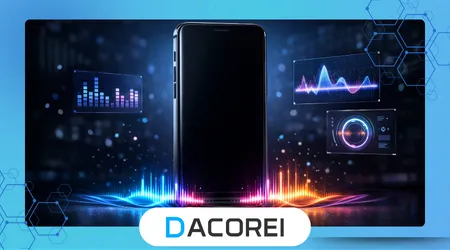
Audio enhancer apps have become essential tools for users who want stronger, clearer sound directly from their phone speakers without purchasing additional hardware. These applications modify audio processing, equalization, and amplification parameters to optimize playback quality across music, videos, calls, and streaming platforms.
Modern smartphones prioritize slim design and battery efficiency, which often limits the physical size and acoustic performance of their built-in speakers. Software-based enhancement therefore plays an increasingly important role in improving loudness, clarity, bass presence, and overall listening experience.
Many users notice that music sounds thin or quiet when played through phone speakers, especially in noisy environments like public transport or outdoor spaces. Audio enhancement apps attempt to compensate for these limitations through dynamic processing, digital equalizers, and smart sound amplification algorithms.
These applications operate at the system level or within media playback layers, adjusting frequency ranges and balancing audio output in real time. When configured correctly, they can make voices clearer, music richer, and videos easier to hear without distorting the sound.
The growing demand for mobile entertainment has accelerated the development of sophisticated sound-optimization tools that rival traditional desktop audio software. Developers increasingly integrate artificial intelligence and adaptive audio models to automatically adjust sound profiles depending on the content being played.
Annonces
This article analyzes how audio enhancer apps function, which technologies they rely on, and which types of applications deliver the most noticeable improvements. It also examines practical considerations such as compatibility, safety, performance impact, and realistic expectations when optimizing phone speaker sound.
Why Smartphone Speakers Often Sound Limited
Smartphone speakers operate within extremely small physical chambers, restricting their ability to produce deep bass frequencies or powerful sound pressure levels. Manufacturers must balance durability, battery consumption, and thermal management while maintaining compact device designs for everyday usability.
Most phones use tiny drivers positioned along the bottom or top edges of the device, which restricts directional audio projection. When the device rests on a surface, sound waves may reflect or become partially blocked, reducing perceived volume and clarity.
Hardware limitations also affect dynamic range, meaning quiet sounds and loud sounds often become compressed during playback. As a result, subtle audio details may disappear while louder elements overpower the overall mix.
Mobile operating systems attempt to compensate for these limitations using built-in digital signal processing. However, these default sound profiles typically prioritize safety and battery efficiency rather than maximizing acoustic performance.
Many manufacturers also intentionally limit speaker amplification levels to avoid distortion or potential hardware damage over time. This conservative tuning protects the device but prevents speakers from reaching their full potential in certain listening scenarios.
Software enhancement apps attempt to bypass these limitations by applying advanced equalization curves and loudness algorithms. These tools can redistribute audio energy across frequencies to make the speaker sound fuller and more balanced.
Another common issue involves frequency masking, where stronger frequencies overpower weaker ones in the same audio range. Proper equalization helps redistribute energy across bass, midrange, and treble frequencies to improve clarity.
Environmental conditions also influence how smartphone speakers perform during real-world use. Outdoor noise, crowded rooms, and reflective surfaces can significantly affect perceived audio quality.
Because of these combined factors, many users turn to audio enhancement applications to improve listening comfort without relying on headphones or external speakers.
How Audio Enhancer Apps Process Sound
Audio enhancer apps rely heavily on digital signal processing techniques to manipulate sound output before it reaches the phone’s speaker drivers. These algorithms reshape frequency curves, boost volume limits, and dynamically adjust audio balance.
Equalizers represent one of the most fundamental tools within audio enhancement software. They allow users to increase or reduce specific frequency bands to tailor sound according to personal preferences and speaker characteristics.
Many apps also include virtual surround sound processing designed to simulate spatial depth through stereo manipulation. These algorithms create the perception of wider sound even when using small mono or stereo smartphone speakers.
Dynamic compression features adjust volume differences between quiet and loud sounds during playback. This helps dialogue remain audible in movies while preventing sudden spikes in music or video content.
Some advanced apps use psychoacoustic modeling to enhance perceived bass frequencies even when physical speakers cannot reproduce them directly. This technique tricks the brain into interpreting certain harmonics as deeper bass.
Developers often rely on platform audio frameworks provided by operating systems to implement these features safely. Documentation published by the Android Open Source Project explains how audio processing layers interact with applications and device hardware.
Another important technology involves limiter systems that prevent amplified sound from causing distortion. When volume increases beyond safe thresholds, these systems automatically reduce peaks to protect speakers.
Many enhancement apps also provide preset sound profiles optimized for music genres such as rock, classical, or electronic. These profiles simplify configuration for users unfamiliar with manual equalizer adjustments.
As mobile processors grow more powerful, developers can implement increasingly complex real-time audio processing without noticeably affecting battery life or system performance.
Popular Types of Audio Enhancement Apps
Different categories of audio enhancer apps focus on distinct sound optimization strategies depending on user needs. Some prioritize volume amplification, while others concentrate on detailed equalization or immersive audio simulation.
Volume booster applications typically increase maximum output levels by adjusting system audio limits. While effective in noisy environments, these tools must carefully balance amplification to avoid clipping and distortion.
Equalizer-focused apps provide granular control over multiple frequency bands, allowing users to manually shape sound profiles. Music enthusiasts often prefer these tools because they provide precise tonal adjustments across bass, midrange, and treble frequencies.
Some apps integrate intelligent sound processing that adapts audio output automatically depending on the type of content. Music playback, voice calls, podcasts, and movies may each receive different equalization settings.
The table below summarizes common categories of audio enhancer apps and their primary functionality.
| Catégorie d'applications | Fonction principale | Typical Features |
|---|---|---|
| Volume Boosters | Increase speaker loudness | Amplification algorithms, limiter protection |
| Equalizer Apps | Adjust frequency balance | Multi-band EQ, custom presets |
| Surround Enhancers | Simulate spatial audio | Stereo widening, virtual surround |
| Smart Audio Tools | Automatic sound optimization | AI profiles, adaptive equalization |
Some hybrid apps combine several of these features within a single interface, offering both automated presets and manual adjustments. This flexibility helps users experiment with sound settings until they achieve their preferred listening experience.
Software ecosystems also influence which apps are available for each platform. Guidelines from the Apple Developer Audio Documentation describe how audio processing layers function within iOS applications.
Understanding these categories helps users choose applications aligned with their listening habits and technical comfort levels.
Key Features That Improve Speaker Performance

Effective audio enhancer apps rely on a set of technical features designed to compensate for physical speaker limitations. These features work together to modify sound output while preserving clarity and minimizing distortion.
Multi-band equalizers represent one of the most important tools because they allow targeted frequency adjustments across the entire audio spectrum. Users can boost bass presence, soften harsh treble, or highlight vocal clarity depending on their listening preferences.
Bass enhancement technology attempts to create the perception of deeper low frequencies without requiring larger speakers. Harmonic generation techniques simulate bass tones that small drivers cannot reproduce naturally.
Volume normalization also improves everyday listening by balancing sound levels across different songs or video sources. This prevents sudden loudness jumps when switching between streaming platforms or media players.
Some apps integrate loudness compensation systems that dynamically adjust audio based on playback volume. At lower volumes, bass and treble frequencies receive slight boosts to maintain a balanced listening profile.
Advanced signal processing can also reduce distortion that occurs when speakers approach their maximum output capacity. Limiting algorithms prevent audio peaks from exceeding thresholds that might cause crackling or clipping.
Research discussed by the National Institute on Deafness and Other Communication Disorders highlights the importance of maintaining safe listening levels when using amplified audio technologies.
User interface design also plays a significant role in how effectively people configure audio enhancement features. Clear visual equalizer controls and preset libraries simplify experimentation without requiring professional audio knowledge.
When these features combine properly, they can significantly improve perceived sound quality from even modest smartphone speakers.
Potential Risks of Over-Amplifying Phone Speakers
Although audio enhancer apps provide noticeable benefits, excessive amplification can introduce unwanted side effects. The most common issue involves audio distortion when speakers attempt to reproduce sound beyond their physical limits.
Clipping occurs when amplified audio signals exceed the speaker driver’s mechanical capabilities. This produces harsh crackling sounds that degrade listening quality and may eventually damage the speaker hardware.
Extended exposure to high sound levels can also pose potential risks to hearing health. Even small smartphone speakers can produce sound levels capable of contributing to long-term hearing fatigue when used improperly.
Another concern involves battery consumption during intensive audio processing. Complex digital signal algorithms require additional CPU resources, which may slightly reduce device runtime during prolonged listening sessions.
Some poorly designed apps may interfere with system audio routing or conflict with built-in sound processing features. This can result in unstable volume behavior or inconsistent sound output across different applications.
Users should also be cautious when granting system-level audio permissions to third-party applications. Reputable developers clearly explain how their software interacts with system audio frameworks.
Responsible use involves gradually increasing amplification levels and testing sound quality at moderate volumes. If distortion becomes noticeable, reducing equalizer boosts or amplification settings typically restores clarity.
When used thoughtfully, audio enhancement apps remain safe and effective tools for improving everyday smartphone listening experiences.
Applications permettant de récupérer les contacts et l'historique des appels sur votre téléphone
How to Choose the Right Audio Enhancement App
Selecting the right audio enhancer app requires evaluating both technical capabilities and user experience. The most effective applications combine powerful audio processing tools with intuitive configuration interfaces.
Compatibility with your smartphone operating system represents the first important consideration. Some apps rely on system-level audio frameworks that vary significantly between Android and iOS platforms.
Users should also look for applications that provide adjustable equalizer bands and customizable sound presets. These features allow experimentation and help tailor audio profiles to different types of content.
Performance optimization represents another important factor when selecting enhancement tools. Efficient apps maintain real-time audio processing without causing lag, overheating, or excessive battery consumption.
Reading developer documentation and verified user reviews can reveal whether an application maintains stable performance across multiple device models. Reliable developers also update their software regularly to support new operating system versions.
Interface clarity also influences how effectively users interact with audio settings. Well-designed visual equalizers and preset libraries make experimentation easier for people unfamiliar with audio engineering concepts.
Some applications also provide headphone-specific optimization in addition to speaker enhancement tools. While not necessary for speaker playback, these features may add additional value for users who frequently switch listening methods.
Ultimately, the best audio enhancer apps combine technical sophistication with responsible amplification controls that protect both device hardware and user hearing.
Applications hors ligne indispensables en cas d'urgence
Conclusion
Audio enhancer apps provide a practical solution for improving smartphone speaker performance without requiring external hardware upgrades. Through equalization, dynamic compression, and amplification algorithms, these applications compensate for the acoustic limitations inherent in compact mobile devices.
Many users experience noticeable improvements in clarity and loudness after configuring audio enhancement tools properly. Music, podcasts, and video dialogue often sound richer and more balanced when equalization redistributes frequencies across the audio spectrum.
However, realistic expectations remain important when evaluating these tools. Software cannot fully replace the physical capabilities of larger speakers, but it can significantly improve perceived sound quality within existing hardware limits.
Careful configuration represents the key to achieving optimal results from these applications. Excessive amplification may introduce distortion, while moderate adjustments typically provide the best balance between loudness and clarity.
Understanding the different categories of enhancement apps helps users choose solutions aligned with their listening preferences. Volume boosters, equalizers, and intelligent sound processors each address different aspects of mobile audio performance.
Safety considerations also remain important when using amplified audio technologies regularly. Maintaining comfortable listening levels protects hearing health while preserving speaker longevity.
Advances in smartphone processing power continue expanding what audio enhancement software can accomplish. Developers increasingly incorporate adaptive algorithms capable of analyzing content and automatically adjusting sound output.
As mobile entertainment becomes central to everyday digital life, demand for improved smartphone audio experiences will continue growing. Audio enhancer apps therefore represent an important intersection between software innovation and everyday consumer convenience.
When used responsibly, these applications transform ordinary smartphone speakers into more capable audio tools for music, streaming, calls, and multimedia playback. Their growing sophistication reflects broader trends in mobile software development and personalized digital experiences.
Ultimately, the combination of thoughtful design, responsible amplification, and modern signal processing makes audio enhancer apps a valuable addition to many smartphones.
FAQ
1. What do audio enhancer apps actually do?
Audio enhancer apps modify digital sound signals before they reach the phone speaker using equalization, compression, and amplification techniques. These processes reshape frequency balance and loudness levels, allowing users to achieve clearer dialogue, stronger bass perception, and more balanced audio output.
2. Do audio enhancement apps work on all smartphones?
Most enhancement apps function on modern smartphones, but compatibility varies depending on operating system restrictions and hardware capabilities. Some applications require deeper system audio access that may only exist on certain Android versions or specific device manufacturers.
3. Can audio enhancer apps damage phone speakers?
Improper use can stress speakers if amplification exceeds safe limits for extended periods. Responsible apps include limiter protections and distortion control features that help prevent hardware damage when users increase volume levels carefully.
4. Are these apps useful for music streaming services?
Yes, many audio enhancer apps process sound globally across the operating system, meaning improvements apply to streaming platforms, video players, and music libraries. This allows consistent sound optimization regardless of which application produces the audio.
5. Do equalizer settings make a big difference?
Equalizers can significantly affect sound perception because they adjust the balance between bass, midrange, and treble frequencies. Even small adjustments may enhance vocal clarity, reduce harshness, or create fuller music playback depending on the phone speaker characteristics.
6. Do these apps consume a lot of battery?
Most modern audio enhancement tools use efficient digital signal processing optimized for mobile processors. Battery impact typically remains minimal, although extremely complex real-time processing may slightly increase energy consumption during long listening sessions.
7. Are free audio enhancer apps effective?
Many free applications provide solid equalizer and amplification tools that noticeably improve sound quality. Paid versions usually add advanced features such as additional presets, surround simulation, or more detailed multi-band equalization controls.
8. Should users always boost volume to the maximum?
Maximum amplification rarely produces the best listening experience because distortion becomes more likely near speaker limits. Moderate amplification combined with balanced equalizer adjustments typically produces clearer and more enjoyable sound output.