
Annonces
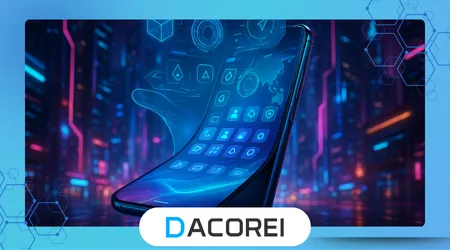
Future smartphone technology is evolving faster than any previous consumer electronics cycle, reshaping how people communicate, work, and manage daily life through increasingly intelligent, adaptive, and context-aware mobile devices.
Modern smartphones are no longer defined only by screens and processors, but by ecosystems of sensors, software, and cloud intelligence that continuously learn from user behavior and environmental conditions.
This article explores the most important innovations shaping upcoming smartphones, focusing on hardware breakthroughs, artificial intelligence integration, connectivity advances, and sustainability challenges influencing global manufacturers.
By examining real-world prototypes, research investments, and strategic decisions from leading technology companies, it becomes possible to understand which features will truly matter to consumers in the coming years.
The future smartphone will not be a single revolutionary device, but rather the result of incremental improvements converging into more seamless, intuitive, and human-centered experiences.
Annonces
Understanding these trends helps consumers, developers, and businesses anticipate how mobile technology will redefine productivity, entertainment, health, and digital identity worldwide.
Next-Generation Displays and Form Factors
Future smartphones will increasingly rely on advanced display technologies, including foldable, rollable, and stretchable screens, designed to adapt dynamically to different usage scenarios and physical environments.
Manufacturers like Samsung and BOE have already demonstrated prototypes that fold inward or outward, suggesting that rigid slab designs may soon become secondary options for premium devices.
Beyond folding mechanisms, microLED and improved OLED panels promise higher brightness, lower power consumption, and longer lifespan, addressing common complaints about visibility and battery drain.
Adaptive refresh rates will become more intelligent, automatically adjusting not only to content type but also to user attention patterns detected through onboard sensors.
Form factors will diversify as smartphones blend characteristics of tablets, wearables, and even laptops, enabling multitasking experiences previously limited to larger devices.
Durability remains a critical concern, driving investment in ultra-thin glass, self-healing coatings, and reinforced hinge systems tested under extreme mechanical stress.
These display innovations aim to make smartphones more versatile without sacrificing portability, signaling a shift toward devices that physically adapt to human behavior.
++Wearable Tech: The New Gadgets for Health & Wellness
Artificial Intelligence as the Core Experience
Artificial intelligence is rapidly becoming the defining layer of future smartphones, transforming devices from reactive tools into proactive digital assistants that anticipate user needs.
On-device AI models will handle tasks such as real-time language translation, image enhancement, and voice recognition without relying heavily on cloud processing.
Companies are increasingly referencing research published by institutions like the IEEE to improve edge computing efficiency and reduce latency in mobile AI systems.
Personalization engines will analyze usage habits to optimize battery allocation, notification timing, and app prioritization based on individual routines.
Camera systems will benefit significantly, using AI to reconstruct details, stabilize motion, and simulate professional-grade photography even in challenging lighting conditions.
Privacy considerations are shaping AI deployment strategies, pushing manufacturers to process sensitive data locally rather than transmitting it to remote servers.
As AI matures, smartphones will feel less like devices and more like adaptive companions embedded into everyday decision-making processes.
Battery Technology and Energy Efficiency Advances
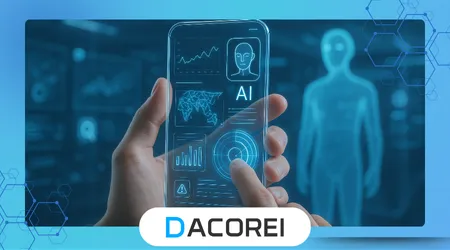
Battery innovation remains one of the most anticipated aspects of future smartphones, as consumers continue to demand longer usage times without increased device weight.
Solid-state batteries are widely viewed as a breakthrough, offering higher energy density and improved safety compared to traditional lithium-ion cells.
Research laboratories frequently cited by MIT Technology Review highlight how new electrolyte materials could dramatically reduce charging times.
Energy efficiency will also improve through smarter power management chips that coordinate closely with operating systems and AI-driven usage predictions.
Solar-assisted charging and kinetic energy harvesting are being tested in experimental models, although widespread adoption remains uncertain due to limited energy yield.
Manufacturers are redesigning internal layouts to maximize battery capacity while accommodating larger camera modules and advanced cooling systems.
These combined efforts aim to eliminate battery anxiety, a persistent issue that continues to influence smartphone purchasing decisions globally.
++L'évolution des paiements numériques : plus sûrs et plus simples
Connectivity, Networks, and Satellite Integration
Future smartphones will be built around always-on connectivity, leveraging advancements in 5G, early 6G research, and direct satellite communication capabilities.
Enhanced network slicing will allow devices to prioritize specific applications, ensuring stable performance for critical tasks like navigation or emergency communication.
Industry roadmaps published by organizations such as the GSMA indicate that satellite-to-phone services will expand beyond emergency use cases.
This integration enables messaging and basic data access in remote regions, reshaping connectivity expectations for travelers and rural communities.
Latency-sensitive applications, including cloud gaming and augmented reality, will benefit from faster network response times and edge computing infrastructure.
Security protocols will evolve alongside connectivity improvements, protecting data across increasingly complex communication pathways.
As networks become more intelligent, smartphones will dynamically select the most efficient connection available without user intervention.
++Streaming Services: What’s Changing This Year?
Biometric Security and Digital Identity
Biometric authentication in future smartphones will extend far beyond fingerprint scanners and facial recognition, incorporating multimodal identity verification systems.
Under-display sensors will analyze fingerprints, blood flow patterns, and even subtle facial muscle movements to confirm user identity securely.
These technologies aim to reduce spoofing risks while maintaining convenience, a balance that has challenged smartphone security designers for years.
Digital identity wallets will store government credentials, payment methods, and access keys within secure hardware enclaves.
The table below summarizes emerging biometric methods and their intended benefits for future smartphone users.
| Biometric Method | Primary Benefit | Adoption Timeline |
|---|---|---|
| Under-display fingerprint | Improved durability | Short-term |
| Facial depth mapping | Enhanced security | Ongoing |
| Behavioral biometrics | Continuous authentication | Mid-term |
| Vein pattern scanning | High spoof resistance | Long-term |
Regulatory scrutiny will influence how biometric data is stored, processed, and shared across platforms and jurisdictions.
Ultimately, smartphones will serve as trusted digital passports, centralizing identity management in a single, secure device.
Sustainability and Ethical Design Choices
Sustainability is becoming a strategic priority in smartphone development, driven by regulatory pressure and growing consumer awareness of environmental impact.
Future devices will increasingly use recycled metals, bio-based plastics, and modular components designed for easier repair and longer product lifecycles.
Manufacturers are rethinking packaging, logistics, and energy consumption across supply chains to reduce overall carbon footprints.
Software support timelines are expanding, ensuring that devices remain secure and functional for many years rather than being replaced frequently.
Ethical sourcing of minerals, particularly cobalt and lithium, is gaining attention as companies face scrutiny over labor practices and environmental damage.
Right-to-repair movements are influencing design decisions, pushing brands to offer spare parts and transparent repair documentation.
These sustainability efforts reflect a broader recognition that technological progress must align with social and environmental responsibility.
Conclusion
The smartphones of the future will emerge from the convergence of hardware innovation, artificial intelligence, and connectivity rather than from a single disruptive invention.
Each new feature reflects years of research, testing, and refinement aimed at improving real-world usability rather than chasing superficial specifications.
Consumers will notice changes not only in performance but also in how seamlessly devices integrate into daily routines and personal workflows.
Artificial intelligence will quietly manage complexity, allowing users to focus on outcomes instead of technical configurations.
Advances in battery and connectivity technologies will remove long-standing limitations related to mobility and access.
Security and digital identity features will redefine trust, positioning smartphones as central hubs for personal and professional verification.
Sustainability considerations will increasingly influence purchasing decisions and brand loyalty across global markets.
Together, these trends suggest a future where smartphones become less intrusive yet more indispensable than ever before.
FAQ
1. What defines future smartphone technology compared to current devices?
Future smartphone technology emphasizes adaptive intelligence, advanced materials, and seamless connectivity, enabling devices to anticipate user needs and operate efficiently across diverse environments.
2. Will foldable phones replace traditional smartphones completely?
Foldable phones are expected to complement rather than fully replace traditional designs, offering flexibility for specific use cases while conventional form factors remain popular.
3. How will AI improve everyday smartphone usage?
AI will optimize performance, personalize experiences, and automate routine tasks, reducing manual interaction while enhancing speed, accuracy, and contextual relevance.
4. Are solid-state batteries close to commercial release?
Solid-state batteries are progressing steadily, but large-scale commercial adoption will likely occur gradually due to manufacturing complexity and cost considerations.
5. Why is sustainability important in future smartphone design?
Sustainability reduces environmental impact, extends device lifespan, and addresses ethical concerns, aligning technological advancement with long-term social responsibility.