
Anúncios
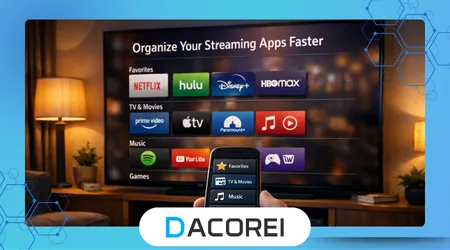
Streaming app organization has become a daily frustration for many users who constantly jump between platforms trying to find something to watch. Endless scrolling, forgotten watchlists, and duplicated content across apps create a fragmented experience that wastes time and breaks immersion.
Most people don’t realize how quickly streaming apps multiply and become unmanageable across devices like smart TVs, phones, and tablets. What starts as two or three platforms often expands into five or more, each with its own interface, recommendations, and hidden menus.
This problem affects a wide range of users because streaming platforms are designed to prioritize engagement rather than efficiency. As a result, users spend more time browsing than watching, often abandoning the process entirely due to decision fatigue.
This article explores practical strategies, tools, and real-world approaches to organizing streaming apps efficiently. It focuses on reducing friction, improving discovery speed, and helping users regain control over how they consume digital entertainment.
Why You Keep Wasting Time Switching Between Streaming Apps
Many users believe the issue lies in having too many streaming subscriptions, but the real problem is lack of structure. Apps are often scattered across devices without any logical order, making navigation inconsistent and mentally exhausting during everyday use.
Anúncios
A common scenario involves opening one app, not finding anything interesting, then switching to another, repeating the process multiple times. This pattern creates a loop where the effort to choose something outweighs the enjoyment of watching it.
If you find yourself searching longer than you actually watch content, it is a clear signal of disorganization. Another sign is forgetting what you planned to watch or missing shows you already saved in different apps.
One overlooked cause is relying entirely on platform recommendations, which are often optimized for engagement rather than relevance. This leads to repetitive suggestions instead of helping users quickly locate content aligned with their preferences.
Users also tend to ignore built-in features like watchlists or continue-watching sections across multiple apps. Over time, this creates fragmented tracking, where progress is spread across platforms without a unified system.
A subtle but impactful mistake is not aligning apps based on usage frequency. Frequently used platforms should be immediately accessible, yet many users leave their home screens cluttered without prioritization.
Building a Simple System That Actually Works Across Devices
The first step toward effective streaming app organization is grouping apps by purpose rather than brand. For example, separating platforms into categories like movies, live TV, and niche content helps reduce decision fatigue significantly.
Reordering apps based on frequency of use creates a more intuitive experience. Placing your most-used apps in the first row or primary screen eliminates unnecessary navigation and reduces friction during content discovery.
Creating a central tracking habit is equally important, even if it is manual. Maintaining a simple list of what to watch next prevents reliance on memory, which is often unreliable after long browsing sessions.
Another effective approach is limiting active subscriptions to a smaller rotation. Instead of juggling multiple platforms simultaneously, users can focus on two or three at a time and rotate them monthly based on interest.
An often ignored tactic is disabling unnecessary notifications and autoplay features. These elements may seem helpful but frequently distract users from their original intent, contributing to a disorganized viewing experience.
Finally, consistency across devices is critical, as highlighted in usability principles discussed by Google’s design guidelines. Maintaining similar layouts on TV, phone, and tablet reduces cognitive load and speeds up navigation.
Tools That Help You Track and Organize Content Efficiently
Some users prefer manual organization, but dedicated tools can significantly improve efficiency when used correctly. These tools act as centralized hubs, helping track what to watch without relying on individual platform interfaces.
Apps like JustWatch allow users to search for content across multiple streaming platforms in one place. This is particularly useful when trying to locate a specific movie without manually checking each service.
TV Time focuses on tracking progress and managing watchlists, making it ideal for users who follow multiple series simultaneously. It helps reduce the common issue of forgetting where you left off across different platforms.
Reelgood combines discovery and tracking features, offering personalized recommendations while maintaining a unified watchlist. It is especially effective for users who want both organization and content suggestions in a single interface.
Below is a comparison of commonly used tools:
| Tool / App | Main Feature | Best Use Case | Platform Compatibility | Free or Paid |
|---|---|---|---|---|
| JustWatch | Cross-platform search | Finding where content is available | iOS, Android, Web | Free |
| TV Time | Episode tracking | Managing multiple series | iOS, Android | Free |
| Reelgood | Combined tracking + discovery | Personalized recommendations | iOS, Android, Web | Free |
| Plex Discover | Unified content hub | Integrating personal + streaming libraries | iOS, Android, Smart TV | Free |
While these tools improve efficiency, they are not perfect solutions. They require consistent use to deliver value, and their effectiveness depends on how disciplined the user is in updating watchlists regularly.
See Also
Why Some Streaming Apps Consume More Internet Data Than Others
How Parental Ratings Actually Work on Streaming Platforms
Why Streaming Apps Look Different on TV, Phone, and Tablet
Ranking the Most Effective Approaches to Streaming Organization
The most effective approach is combining app prioritization with a centralized tracking system. This method consistently delivers the fastest results because it reduces both navigation time and decision-making complexity.
Second place goes to using external aggregation tools like JustWatch or Reelgood. These tools excel in discovery but depend on user engagement to remain accurate and useful over time.
Third is subscription rotation, which is highly effective for reducing clutter but requires planning and discipline. Users who implement it correctly often experience a noticeable improvement in content focus.
Fourth is relying solely on built-in platform features, which is convenient but limited. These features are designed for retention rather than efficiency, making them less reliable for structured organization.
Finally, manual tracking without any system ranks lowest in effectiveness. While simple, it often becomes inconsistent, especially for users managing multiple platforms and devices simultaneously.
What Streaming Organization Looks Like in Real Daily Use
A practical example involves a user who previously spent 20 minutes browsing across five apps before choosing something. After reorganizing their home screen and using a tracking tool, the decision process dropped to under five minutes.
The process begins by opening a centralized app like Reelgood to review a curated watchlist. This eliminates the need to switch between platforms and narrows down options immediately.
Next, the user selects content and launches the specific streaming app directly, avoiding unnecessary browsing. This simple shift removes multiple friction points that previously slowed down the experience.
Before organization, the user relied heavily on recommendations and often abandoned sessions without watching anything. After implementing a structured approach, viewing sessions became more intentional and consistent.
One non-obvious improvement is reduced mental fatigue. By minimizing repetitive decisions, users conserve attention and enjoy content more, rather than feeling overwhelmed by too many options.
Over time, this system becomes automatic, requiring minimal effort to maintain. The key is consistency rather than complexity, as even simple structures outperform chaotic setups.
Understanding the Key Differences Between Tools and Methods
Aggregation tools and manual systems serve different purposes, and choosing between them depends on user behavior. Tools excel at automation, while manual systems provide more control and customization.
For users who value convenience, tools like Reelgood are more effective because they reduce effort. However, they may not always reflect personal preferences accurately, especially if not updated regularly.
Manual methods, such as maintaining a personal list, offer greater flexibility but require discipline. They are often preferred by users who want full control over their viewing decisions without algorithmic influence.
Subscription rotation differs from both approaches by focusing on reducing inputs rather than organizing them. It is particularly useful for users overwhelmed by too many platforms at once.
The best approach often involves combining these methods strategically. For example, using a tracking app alongside subscription rotation creates a balanced system that maximizes efficiency without adding complexity.
The Reality of Streaming Organization: What It Won’t Fix
Organizing streaming apps will not eliminate decision fatigue entirely, especially for users who constantly seek new content. The abundance of choices remains a structural limitation of modern streaming ecosystems.
Tools and systems cannot fully replace personal discipline. Without consistent use, even the most advanced organization methods will quickly become ineffective and outdated.
Another misconception is that organization will improve content quality. While it speeds up discovery, it does not change the availability or relevance of content within each platform.
Some users expect automation tools to deliver perfect recommendations, but these systems are inherently limited by algorithms. They often prioritize popular or trending content rather than individual preferences.
Understanding these limitations helps set realistic expectations, as emphasized in research on digital behavior from institutions like Stanford University. Effective organization improves efficiency, but it does not solve every problem related to streaming.
Risks, Privacy, and Smart Usage Practices
Using third-party aggregation tools introduces potential privacy concerns, particularly when linking multiple streaming accounts. Users should be cautious about granting unnecessary permissions or sharing sensitive data.
Some tools collect viewing habits to improve recommendations, which can raise concerns about data usage. Reviewing privacy policies and limiting data sharing settings is an essential step for safer usage.
Another risk involves relying too heavily on external tools, which may not always be updated accurately. This can lead to incorrect availability information, causing frustration during content searches.
Users should also avoid installing multiple similar tools simultaneously, as this can create redundancy rather than solving the problem. Choosing one reliable platform is generally more effective than juggling several.
Safe usage practices include regularly reviewing app permissions, avoiding unknown platforms, and maintaining control over personal data. A structured approach combined with awareness ensures both efficiency and security.
Conclusion
Streaming app organization is less about reducing the number of platforms and more about creating a system that aligns with real usage habits. By structuring apps and using centralized tracking, users can significantly reduce wasted time and improve their viewing experience.
The most effective strategies involve combining prioritization, tracking tools, and subscription control. These methods work together to simplify navigation and eliminate unnecessary decision points that often lead to frustration.
Real-world improvements are noticeable quickly, especially when users commit to consistent habits. Even small changes, such as reorganizing app layouts, can produce immediate results in how efficiently content is accessed.
However, maintaining realistic expectations is essential, as organization enhances efficiency but does not eliminate all challenges. The goal is to reduce friction, not to create a perfect system.
By applying practical strategies and understanding their limitations, users can transform streaming into a more intentional and enjoyable experience without unnecessary complexity.
FAQ
1. Why do streaming apps feel so disorganized?
Because each platform operates independently with its own interface, recommendations, and tracking systems, which creates fragmentation when users rely on multiple services simultaneously.
2. What is the fastest way to find something to watch?
Using a centralized tracking tool combined with a prioritized app layout significantly reduces browsing time and helps users make quicker decisions.
3. Are streaming organization tools safe to use?
Most are safe if downloaded from trusted sources, but users should always review permissions and avoid sharing unnecessary personal data.
4. Should I keep all my subscriptions active?
Rotating subscriptions is often more efficient, as it reduces clutter and allows users to focus on fewer platforms at a time.
5. Do these methods work on smart TVs?
Yes, especially when users align app layouts and tracking habits across all devices, including TVs, phones, and tablets.