Anuncios
Los cambios en el diseño de los smartphones han reducido progresivamente el número de botones físicos en los dispositivos modernos de todo el mundo. Este artículo analiza las fuerzas técnicas, ergonómicas, económicas y estratégicas que impulsan a los fabricantes hacia interfaces de hardware minimalistas y sistemas de control centrados en el software.
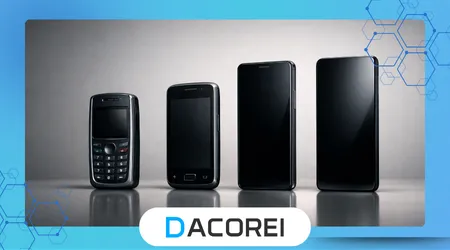
En la última década, los dispositivos insignia han pasado de diseños dominados por teclados a superficies casi sin fisuras de vidrio y metal. Este cambio refleja no solo una ambición estética, sino también avances en las tecnologías de entrada táctil, retroalimentación háptica y reconocimiento de gestos.
Los fabricantes buscan reducir el número de componentes mecánicos para mejorar la durabilidad, la resistencia al agua y la integridad estructural. Al minimizar las piezas móviles, los ingenieros reducen las tasas de fallos mecánicos y aumentan las posibilidades de una mayor integración interna de los componentes.
Los consumidores también se han adaptado a la navegación por software, utilizando gestos y menús contextuales en lugar de teclas físicas. Estos cambios en la interacción del usuario han impulsado a las marcas a priorizar las interfaces digitales adaptables sobre los controles físicos fijos.
Las consideraciones económicas influyen en la simplificación del hardware, ya que un menor número de botones reduce la complejidad del ensamblaje y la dependencia de la cadena de suministro. Cada componente eliminado disminuye la variabilidad de la fabricación y optimiza la producción a gran escala en múltiples regiones.
Anuncios
Este artículo examina la filosofía del diseño industrial, las limitaciones de ingeniería, las estructuras de costos, la estrategia de experiencia de usuario, el control del ecosistema y las futuras vías de innovación. Al analizar estas dimensiones, aclara por qué los botones físicos siguen desapareciendo de los teléfonos inteligentes actuales.
Diseño industrial y la búsqueda del minimalismo
Los diseñadores industriales buscan crear dispositivos que luzcan impecables y visualmente equilibrados bajo cualquier condición de iluminación. La eliminación de botones físicos favorece superficies continuas que enfatizan la simetría, la delgadez y las transiciones de materiales refinadas.
La estética minimalista se alinea con las estrategias de marca premium adoptadas por los fabricantes globales. Un exterior impecable transmite sofisticación y madurez tecnológica, reforzando la percepción de innovación y exclusividad en entornos minoristas competitivos.
Las pantallas grandes que ocupan toda la superficie del dispositivo requieren espacio interno que antes ocupaban los botones físicos. A medida que aumenta la relación pantalla-cuerpo, los ingenieros eliminan los botones frontales para maximizar el área de visualización sin aumentar las dimensiones generales del dispositivo.
Los botones mecánicos introducen tolerancias que complican la construcción del chasis y la resistencia al desgaste a largo plazo. La eliminación de estos componentes permite una unión estructural más firme entre el marco, el cristal y los módulos internos.
La simplificación del diseño también reduce el desorden visual que puede distraer de las experiencias digitales inmersivas. Las empresas priorizan la visibilidad del contenido, fomentando la reproducción ininterrumpida de vídeos, juegos y lectura.
Las pantallas táctiles ofrecen controles contextuales que se adaptan dinámicamente a las aplicaciones. Esta flexibilidad supera a la de los botones físicos estáticos, cuya funcionalidad se ve limitada independientemente de las necesidades del usuario.
Los consumidores asocian cada vez más la reducción de botones con la modernidad y la innovación. Los dispositivos con numerosos controles táctiles ahora parecen anticuados en comparación con los modelos insignia de diseño minimalista.
El minimalismo también se alinea con la coherencia multiplataforma en los ecosistemas de dispositivos. Las tabletas, los portátiles y los dispositivos portátiles adoptan lenguajes de diseño similares, lo que refuerza la cohesión de la marca en todas las categorías de productos.
Al priorizar la armonía visual y la abstracción funcional, los diseñadores refuerzan una filosofía en la que el hardware pasa a un segundo plano. El resultado es un dispositivo definido más por la interfaz digital que por la interacción mecánica.
Restricciones de ingeniería y eficiencia estructural
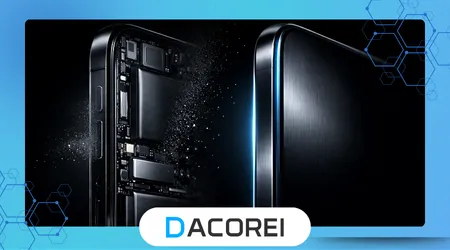
Los ingenieros deben distribuir cuidadosamente el espacio interno entre las celdas de la batería, los módulos de la cámara y los sistemas de antena. Cada botón que se retira libera milímetros que pueden mejorar la capacidad de la batería o la gestión térmica.
Los índices de resistencia al agua y al polvo mejoran cuando las aberturas mecánicas disminuyen significativamente. Según el Comisión Electrotécnica InternacionalLas normas de protección contra la entrada de agentes externos dependen en gran medida de minimizar los puntos de acceso físicos.
Menos aberturas externas simplifican las estrategias de sellado alrededor de marcos y conjuntos de pantallas. La unión adhesiva y la integración de juntas resultan más fiables cuando los diseñadores eliminan interrupciones mecánicas innecesarias.
Los botones de estado sólido y los sensores capacitivos reducen la fatiga mecánica en comparación con los interruptores tradicionales. Estas alternativas simulan la retroalimentación táctil a la vez que mantienen superficies estructurales continuas.
Los motores de vibración y los sistemas hápticos reproducen digitalmente la sensación de pulsar un botón. Los ingenieros calibran la intensidad y la duración de la retroalimentación para imitar la confirmación física sin desplazamiento mecánico.
La consolidación de componentes permite crear dispositivos más delgados sin sacrificar el rendimiento. Al reasignar el espacio previamente reservado para los mecanismos de los botones, los fabricantes optimizan la eficiencia del diseño interno.
La tabla que aparece a continuación ilustra las principales ventajas y desventajas de ingeniería entre los controles físicos y los basados en software.
| Aspecto | Botones físicos | Controles por software o capacitivos |
|---|---|---|
| Durabilidad | Sujeto a desgaste mecánico | Piezas móviles mínimas |
| Resistencia al agua | Requiere sellar alrededor de las aberturas. | Sellado continuo más sencillo |
| Flexibilidad | Función fija | Comportamiento dependiente del contexto |
| Reparabilidad | Componente reemplazable | Integrado en el conjunto principal |
La distribución térmica también se beneficia de una menor interrupción mecánica a lo largo del marco. Las superficies metálicas continuas disipan el calor de manera más uniforme durante tareas de procesamiento intensivas.
Los equipos de ingeniería priorizan la eficiencia de la integración porque los teléfonos inteligentes modernos funcionan como sistemas computacionales muy compactos. Eliminar los botones físicos refleja una decisión de optimización estructural, más que una simple preferencia estética.
Economía de la fabricación y optimización de la cadena de suministro
Cada botón mecánico requiere procesos específicos de abastecimiento, utillaje y control de calidad. Eliminarlos reduce la dependencia de proveedores y acelera los plazos de producción en fábricas de alto volumen.
Las líneas de ensamblaje se vuelven más predecibles cuando se reduce el número de componentes móviles que requieren calibración. La menor variabilidad mejora los índices de rendimiento y disminuye los costos de fabricación por unidad en millones de dispositivos.
Las interrupciones globales han puesto de manifiesto las vulnerabilidades de las cadenas de suministro complejas. Simplificar el hardware reduce la dependencia de piezas especializadas que pueden sufrir retrasos en su adquisición.
El ahorro de costes también se deriva de la disminución de las reclamaciones de garantía relacionadas con fallos en los botones. Los interruptores mecánicos se deterioran con el uso repetido, generando costes de mantenimiento que las alternativas de software evitan en gran medida.
Los fabricantes destinan los recursos ahorrados a funciones de mayor margen, como sensores de cámara avanzados. La redistribución estratégica de costes refuerza la diferenciación competitiva en los segmentos de mercado premium.
Las interfaces digitales se actualizan mediante parches de software en lugar de rediseños de hardware. Esta flexibilidad prolonga la vida útil del producto sin necesidad de modificaciones físicas.
Investigaciones de instituciones como la Instituto Tecnológico de Massachusetts Esto subraya cómo la simplificación del hardware acelera los ciclos de desarrollo iterativos de los productos en el sector de la electrónica de consumo. Los ciclos de desarrollo más rápidos aumentan la capacidad de respuesta a las tendencias del mercado y a las expectativas de los consumidores.
Las economías de escala amplifican los beneficios financieros incluso de pequeñas reducciones de componentes. Eliminar un solo elemento de hardware puede traducirse en millones de dólares ahorrados anualmente en envíos globales.
La eficiencia financiera refuerza las motivaciones de diseño e ingeniería para el minimalismo del hardware. De este modo, la racionalización de costes complementa las prioridades estéticas y estructurales en la configuración de los smartphones contemporáneos.
Evolución de la experiencia de usuario y navegación por gestos
Los patrones de interacción del usuario han pasado de los sistemas de navegación táctiles a los basados en gestos. Los gestos de deslizamiento, las interacciones en los bordes y las indicaciones en pantalla reemplazan eficazmente los botones de navegación tradicionales.
Los sistemas operativos ahora interpretan sin problemas las entradas multitáctiles complejas. La inteligencia del software predice la intención del usuario, lo que reduce la dependencia de atajos de hardware específicos.
Las funciones de accesibilidad se adaptan dinámicamente dentro de las interfaces digitales. Según la Organización Mundial de la Salud, los principios de diseño inclusivo priorizan los controles adaptables sobre los mecanismos físicos rígidos.
Los botones virtuales se reposicionan automáticamente según la orientación de la pantalla y el contexto de la aplicación. Esta adaptabilidad mejora la ergonomía en escenarios de juegos, mensajería y consumo de contenido multimedia.
Los desarrolladores diseñan aplicaciones partiendo de paradigmas de interacción basados en gestos. Las teclas físicas limitarían la creatividad de la interfaz y restringirían las estructuras de navegación experimentales.
La retroalimentación háptica compensa la ausencia de señales de confirmación mecánicas. Las vibraciones cuidadosamente ajustadas brindan seguridad a los usuarios sin comprometer la integridad estructural.
La curva de aprendizaje se ha acortado gracias a la estandarización de la navegación por gestos en todo el sector. Los consumidores que cambian de marca encuentran una lógica de interacción coherente.
La navegación por software también admite la personalización multilingüe y regional. El etiquetado físico no puede adaptarse con la misma eficacia a la diversidad lingüística global.
Por lo tanto, los diseñadores de experiencia de usuario prefieren los entornos de control digital fluidos a los dispositivos táctiles estáticos. La interacción evoluciona como una capa definida por software, lo que refuerza la tendencia hacia un menor número de botones físicos.
++Empresas tecnológicas impulsan la IA directamente en los sistemas operativos
Estrategia del ecosistema y control de la plataforma
Las empresas tecnológicas operan cada vez más ecosistemas integrados que abarcan hardware, software y servicios. La reducción de botones físicos otorga a las plataformas mayor control sobre los paradigmas de interacción.
Las actualizaciones de software redefinen la forma en que los usuarios acceden a las funciones principales sin modificar la configuración del hardware. Este control centralizado permite una experiencia de usuario coherente en smartphones, tabletas y dispositivos portátiles.
Los asistentes de voz reducen aún más la dependencia de los controles físicos. Los comandos de voz activan tareas que antes estaban asociadas a teclas de hardware específicas.
Los sistemas de autenticación biométrica sustituyen a los botones de inicio una vez que incorporan escáneres de huellas dactilares. El reconocimiento facial y los sensores bajo la pantalla eliminan la necesidad de módulos de hardware externos.
La uniformidad de la plataforma refuerza la identidad de marca y la fidelización de clientes. Los marcos de interacción consistentes animan a los usuarios a permanecer dentro de un único ecosistema.
Los desarrolladores se benefician de entornos de interacción predecibles controlados por los proveedores de sistemas operativos. La fragmentación disminuye cuando se reduce la variabilidad del hardware.
La integración en la nube permite la gestión remota de dispositivos y funciones de automatización. Los botones físicos ofrecen una utilidad limitada dentro de las infraestructuras digitales interconectadas.
La consolidación del ecosistema también mejora las capacidades de análisis de datos. Los controles definidos por software generan información sobre el uso que los botones de hardware no pueden capturar directamente.
El control estratégico sobre la interacción del usuario se convierte así en una ventaja competitiva. La eliminación de los botones físicos alinea el hardware con los objetivos de gobernanza de la plataforma a largo plazo.
Innovaciones futuras y el camino hacia dispositivos sin botones
Las tecnologías emergentes apuntan hacia exteriores de dispositivos totalmente integrados. Los marcos de estado sólido con sensibilidad a la presión podrían eliminar los botones restantes de volumen y encendido.
Las pantallas flexibles se adaptan a los bordes, reduciendo el área del marco disponible para los controles mecánicos. Los ingenieros exploran aleaciones metálicas sensibles al tacto y microactuadores integrados.
La inteligencia artificial anticipa las necesidades del usuario antes de que este introduzca datos manualmente. Los sistemas predictivos pueden reducir aún más los requisitos de interacción explícita.
Los avances en realidad aumentada transforman por completo la interacción, trascendiendo los dispositivos portátiles. Las interfaces vestibles y la computación espacial modifican las expectativas en torno a los controles físicos.
La eficiencia energética mejora cuando desaparecen los componentes de accionamiento mecánico. La asignación de baterías prioriza los procesadores, las pantallas y los módulos de conectividad.
Los fabricantes experimentan con sensores ultrasónicos integrados bajo superficies de vidrio. Estas innovaciones preservan la respuesta táctil al tiempo que eliminan los componentes que sobresalen.
La aceptación por parte de los consumidores de las interfaces invisibles sigue creciendo de forma constante. Los grupos demográficos más jóvenes rara vez expresan preferencia por las teclas de navegación tradicionales.
Los protocolos de seguridad evolucionan a la par que la abstracción del hardware. Los métodos de autenticación biométrica y de comportamiento reemplazan los botones de desbloqueo tradicionales.
La trayectoria prevista sugiere que los teléfonos inteligentes se asemejarán cada vez más a superficies computacionales selladas. La simplificación del hardware representa una fase de transición hacia entornos de interacción totalmente mediados por software.
Cómo la automatización está reemplazando las tareas digitales repetitivas
Conclusión
La disminución de los botones físicos refleja decisiones coordinadas en los ámbitos del diseño, la ingeniería y la economía. Los fabricantes buscan simultáneamente la eficiencia en la integración y la resistencia estructural.
La estética minimalista refuerza el posicionamiento de la marca en mercados saturados. La simplicidad visual comunica sofisticación tecnológica y valor premium.
Los equipos de ingeniería priorizan la durabilidad y los estándares de protección contra la entrada de agentes externos. Eliminar las aberturas mejora la resistencia a los factores de estrés ambiental.
La eficiencia en la fabricación mejora la rentabilidad ante las limitaciones de la oferta global. La reducción del número de componentes agiliza la logística y los flujos de trabajo de ensamblaje.
Los diseñadores de experiencia de usuario prefieren los controles digitales adaptables a los elementos táctiles estáticos. La navegación por gestos ofrece una flexibilidad contextual imposible con teclas de hardware fijas.
Las estrategias de ecosistema potencian los beneficios de los modelos de interacción definidos por software. La gobernanza centralizada de la plataforma garantiza experiencias consistentes en todos los dispositivos.
Las líneas de innovación siguen avanzando hacia exteriores de dispositivos sin fisuras. Los materiales emergentes y las tecnologías de detección aceleran esta trayectoria.
Los consumidores asocian cada vez más la reducción de botones con la sofisticación moderna. La demanda del mercado se alinea con los principios del diseño industrial minimalista.
Los factores económicos, estructurales y experienciales convergen para impulsar la simplificación del hardware. Cada botón eliminado simboliza una transformación estratégica más amplia en la electrónica de consumo.
Los teléfonos inteligentes evolucionan como plataformas computacionales integradas, más que como instrumentos mecánicos. La desaparición de los botones físicos representa una progresión deliberada hacia la abstracción digital.
Preguntas frecuentes
1. ¿Por qué los fabricantes de teléfonos inteligentes están eliminando los botones físicos?
Los fabricantes eliminan los botones físicos para mejorar la durabilidad, aumentar la eficiencia del espacio interno, mejorar la resistencia al agua y alinear los dispositivos con las tendencias de diseño industrial minimalista.
2. ¿Un menor número de botones hace que los teléfonos sean menos funcionales?
No, los controles basados en software y la navegación por gestos proporcionan una funcionalidad igual o superior, a la vez que permiten una personalización dinámica que el hardware estático no puede ofrecer.
3. ¿Cómo mejora la resistencia al agua la eliminación de los botones?
Un menor número de aberturas mecánicas reduce los posibles puntos de entrada de humedad y polvo, lo que facilita la consecución de índices de protección contra la entrada de agentes externos más elevados.
4. ¿Son los botones de software más fiables que los físicos?
El software y los controles capacitivos eliminan el desgaste mecánico, reduciendo los riesgos de fallos a largo plazo asociados a la activación física repetida.
5. ¿Eliminar los botones reduce los costos de fabricación?
Sí, eliminar los componentes de hardware simplifica los procesos de ensamblaje, reduce la dependencia de los proveedores y disminuye los gastos de garantía relacionados con fallas mecánicas.
6. ¿Qué sustituye a los botones de inicio por sensores de huellas dactilares?
Los fabricantes utilizan lectores de huellas dactilares integrados en la pantalla o sistemas de reconocimiento facial para autenticar a los usuarios sin necesidad de módulos de hardware externos.
7. ¿Llegarán los smartphones a no tener botones en absoluto?
Las tendencias de innovación actuales sugieren que los dispositivos del futuro podrían depender completamente de superficies sensibles a la presión, entrada por gestos y sistemas de control por voz.
8. ¿Prefieren los consumidores los diseños sin botones?
Los patrones de adopción en el mercado indican una fuerte aceptación por parte de los consumidores de los dispositivos optimizados, en particular cuando la navegación por gestos funciona de manera fluida e intuitiva.