Anúncios
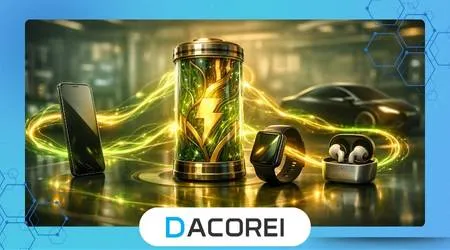
Battery tech innovations are redefining how long modern devices operate, reshaping expectations around smartphones, electric vehicles, wearables, and industrial electronics through scientific advances once considered commercially unreachable.
Energy storage has quietly become the backbone of digital life, influencing mobility, productivity, sustainability goals, and even geopolitical supply chains across industries increasingly dependent on portable and reliable power sources.
This article examines how emerging battery technologies move beyond incremental improvements, focusing on structural changes in chemistry, materials, and manufacturing processes driving measurable gains in longevity, safety, and efficiency.
Rather than speculative concepts, these developments are grounded in laboratory validation, pilot manufacturing lines, and early commercial deployments that reveal both potential and remaining technical limitations.
Understanding these technologies matters not only for consumers seeking longer battery life, but also for policymakers, manufacturers, and investors navigating a rapidly evolving energy landscape.
Anúncios
By analyzing breakthroughs, tradeoffs, and real-world case studies, this report explains how next-generation batteries could reshape device performance over the coming decade.
Solid-State Batteries and the End of Liquid Electrolytes
Solid-state batteries replace liquid electrolytes with solid materials, reducing leakage risks while enabling denser energy storage within smaller physical footprints for consumer electronics and electric vehicles alike.
Manufacturers have pursued this approach for decades, but recent material science advances finally allow solid electrolytes to conduct ions efficiently at room temperature without rapid degradation.
Toyota demonstrated early solid-state prototypes achieving significantly faster charging times, signaling potential transformation for electric mobility if scalability challenges can be resolved economically.
One critical advantage lies in improved safety, since solid electrolytes dramatically lower fire risks associated with punctures, overheating, or manufacturing defects common in lithium-ion cells.
However, production complexity remains substantial, as solid-state layers require extreme precision and uniformity to avoid performance losses or premature failure.
Researchers report promising lifecycle improvements, with experimental cells sustaining more charge cycles before capacity degradation compared to traditional lithium-ion counterparts.
Despite optimism, analysts caution that widespread adoption may still take several years, given unresolved cost, yield, and supply-chain integration challenges.
++The Biggest Tech Innovations Announced This Month
Silicon Anodes and the Quest for Higher Energy Density
Silicon anodes offer a dramatic leap in energy density by storing significantly more lithium ions than graphite, enabling batteries that last noticeably longer without increasing device size.
Startups and established manufacturers alike have pursued silicon blends, gradually introducing partial silicon content to balance performance gains with mechanical stability concerns.
Pure silicon expands substantially during charging, historically causing cracking and rapid capacity loss, but nanostructured designs now mitigate these destructive effects.
Companies such as Sila Nanotechnologies report commercial partnerships that integrate silicon-dominant anodes into consumer devices without sacrificing longevity or safety.
According to research summarized by MIT, controlled silicon architectures can achieve meaningful density gains while maintaining cycle stability suitable for mass-market electronics.
The approach offers a pragmatic transition path, allowing manufacturers to enhance batteries incrementally without overhauling existing lithium-ion production infrastructure.
As yields improve and costs decline, silicon anodes are expected to become standard across premium devices before eventually reaching midrange products.
Lithium-Sulfur Batteries and Lightweight Power Solutions
Lithium-sulfur batteries attract attention for their exceptional theoretical energy density and significantly lower material costs compared to cobalt-heavy lithium-ion chemistries.
Sulfur’s abundance and low environmental impact make it attractive for sustainability-focused applications, particularly in aerospace, drones, and long-range electric vehicles.
Historically, lithium-sulfur cells suffered from rapid capacity fade due to polysulfide shuttling, undermining long-term usability in consumer electronics.
Recent breakthroughs involve advanced cathode designs and protective layers that dramatically reduce degradation while extending operational lifespans.
The U.S. Department of Energy highlights lithium-sulfur research as a strategic priority for future mobility systems, citing its potential for lighter, longer-lasting energy storage solutions.
Despite progress, commercialization remains limited, as manufacturers continue refining stability under real-world temperature and load conditions.
If durability targets are met, lithium-sulfur batteries could unlock device designs previously constrained by weight and volume limitations.
++The Rise of Smart Assistants: What They Can Do in 2025
Sodium-Ion Batteries and Supply Chain Resilience
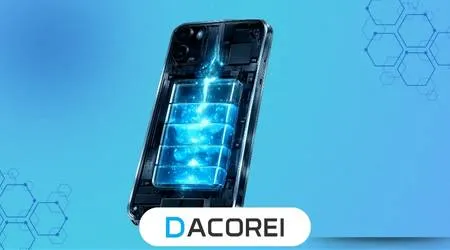
Sodium-ion batteries address growing concerns around lithium supply constraints, offering a viable alternative using widely available and geographically diversified raw materials.
Although sodium-ion cells deliver lower energy density than lithium-based counterparts, improvements now make them suitable for budget devices, grid storage, and stationary applications.
Chinese manufacturers have already deployed sodium-ion batteries in commercial scooters and energy storage systems, demonstrating practical viability beyond laboratory settings.
Cost stability represents a major advantage, insulating manufacturers from volatile lithium prices and geopolitical supply disruptions.
According to analysis published by Nature, sodium-ion chemistry continues to narrow the performance gap through optimized electrode materials and electrolytes.
These batteries also perform better in colder climates, expanding usability in regions where lithium-ion efficiency declines noticeably.
While unlikely to replace lithium-ion entirely, sodium-ion technology diversifies the energy ecosystem and enhances long-term resilience.
Manufacturing Innovations and Battery Longevity
Beyond chemistry, manufacturing techniques increasingly determine how long batteries last under real-world usage patterns.
Advanced coating processes ensure more uniform electrode layers, reducing internal resistance and localized stress that accelerates degradation.
Dry electrode manufacturing eliminates solvent-based steps, lowering costs while improving structural consistency within battery cells.
Tesla and other manufacturers invest heavily in in-house battery production to control quality variables previously outsourced across fragmented supply chains.
The following table compares key emerging battery technologies and their primary advantages across different device categories.
| Battery Technology | Key Advantage | Primary Applications |
|---|---|---|
| Solid-State | Safety and fast charging | Electric vehicles, smartphones |
| Silicon Anode | Higher energy density | Smartphones, wearables |
| Lithium-Sulfur | Lightweight design | Drones, aerospace |
| Sodium-Ion | Supply stability | Grid storage, entry-level devices |
These process-level innovations compound chemical advances, extending usable battery life without dramatic changes in user behavior.
Environmental Impact and Long-Term Sustainability
Battery longevity directly influences environmental outcomes, as longer-lasting cells reduce electronic waste and raw material extraction pressures.
New chemistries aim to minimize reliance on scarce or ethically problematic materials, particularly cobalt mined under controversial labor conditions.
Recycling technologies also advance, enabling higher recovery rates for lithium, nickel, and other valuable components from end-of-life batteries.
Regulatory frameworks increasingly reward durable designs, encouraging manufacturers to prioritize lifespan alongside performance metrics.
The Department of Energy emphasizes that sustainable battery innovation requires coordination across materials science, manufacturing, policy, and consumer education initiatives.
Longer-lasting batteries also reduce charging frequency, indirectly lowering energy consumption and grid demand at scale.
Collectively, these trends suggest battery innovation is as much about responsible engineering as it is about performance gains.
++How 5G Is Transforming Apps, Streaming, and Daily Life
Conclusion
Battery technology has entered a phase of structural transformation rather than incremental refinement, reshaping expectations around how long devices can realistically operate between charges.
Solid-state designs promise safer, faster, and denser energy storage, though cost and scalability remain significant hurdles.
Silicon anodes demonstrate how targeted material upgrades can deliver meaningful gains without disrupting existing manufacturing ecosystems.
Alternative chemistries like lithium-sulfur and sodium-ion expand the battery landscape, addressing weight, cost, and supply-chain vulnerabilities.
Manufacturing innovations quietly amplify these benefits, ensuring laboratory breakthroughs translate into durable, real-world performance.
Environmental considerations now influence design priorities, aligning longevity with sustainability and regulatory pressures.
Consumers ultimately benefit from devices that last longer, charge faster, and degrade more slowly over years of daily use.
As these technologies mature, battery life will increasingly feel like a solved problem rather than a persistent compromise.
FAQ
1. What makes solid-state batteries safer than lithium-ion?
Solid electrolytes reduce fire risks by eliminating flammable liquids while maintaining stable ion movement during charging and discharging cycles.
2. Will silicon anodes significantly increase smartphone battery life?
Yes, silicon anodes can extend runtime by storing more energy without increasing battery size.
3. Are lithium-sulfur batteries ready for consumer devices?
Not yet, as durability improvements are still required for consistent long-term consumer usage.
4. Why are sodium-ion batteries important despite lower energy density?
They offer cost stability, abundant materials, and reliable performance for non-premium applications.
5. How soon will these technologies reach mass adoption?
Most analysts expect gradual integration over the next five to ten years, depending on manufacturing scalability.