
Anúncios
Block calls from unknown or dangerous numbers to protect your privacy and reduce the risk of falling into scams that target millions of smartphone users worldwide every year.
Suspicious calls and messages can impersonate banks, delivery companies, or government agencies to trick people into sharing personal data or making urgent payments without verifying anything.
Growing reports of phone fraud show how essential it is to understand the tools available on Android and iPhone that quickly stop unwanted communication before harm occurs.
Mobile carriers, app developers, and security agencies are investing in stronger defenses because criminals constantly evolve their methods to reach victims and bypass filters.
Learning how to detect fraud, use built-in call blockers, and activate anti-spam features keeps individuals safe by reducing exposure to unknown threats and malicious attempts.
Anúncios
This guide explains how to recognize risky behavior, block numbers directly, report harassment, and ensure reliable protection against suspicious calls and messages at all times.
Understanding the Threat Behind Suspicious Calls
Criminals frequently use automated robocalls and bulk messaging campaigns that target thousands of random numbers each day, seeking victims willing to respond to fabricated emergencies or fake financial operations.
Scammers often spoof official numbers to appear trustworthy, making people believe they are dealing with legitimate institutions when the goal is to extract highly sensitive information.
Harassment and extortion attempts can also emerge from persistent unknown callers, creating stress and fear, especially for vulnerable individuals who feel pressured to respond immediately.
Personal data leaked from online breaches can increase unwanted contact because fraudsters buy or exchange databases to perform targeted attacks against specific demographics.
Recognizing these signs early helps smartphone users take immediate action, ensuring that protection measures stay active before suspicious calls escalate into damaging outcomes.
++Best Antivirus Apps: Which One Actually Works?
Using Built-In Call Blocking Tools on Smartphones
Both iPhone and Android devices include settings to block calls quickly and permanently, allowing users to avoid repeated harassment from unknown or confirmed fraudulent sources.
On Android, open the call log, tap the specific number, and choose “Block” to ensure that future calls and messages from that contact never reach your phone again.
Apple users can swipe a number in recent calls, select “Block This Caller,” and automatically silence future attempts, preventing disturbing notifications from appearing in daily life.
Smartphone manufacturers continually improve these tools because organizations like the Comissão Federal de Comunicações provide guidelines and recommendations to reduce illegal phone activity for users nationwide.
These built-in solutions provide strong first-layer defense, but combining them with additional features enhances overall protection against modern fraud strategies that rely on volume and persistence.
++What to Do If Your WhatsApp Account Gets Hacked
Activating Carrier-Level Protection and Anti-Spam Filters
Many mobile carriers offer free or premium services that filter suspicious traffic, detect robocalls, and protect customers by blocking high-risk categories of communication automatically.
Users can enable these features through carrier apps or customer service channels, ensuring immediate coverage that does not require continuous device management or manual list updates.
Additional safety information provided by consumer-protection organizations like the Comissão Federal de Comércio helps users verify whether unknown calls may be connected to ongoing national scam alerts.
Carrier-level protection is valuable because it works even when criminals change numbers constantly, relying on reputation analytics and network data to neutralize threats before phones ring.
Combining device blocking with carrier filtering creates a powerful multi-layer system that drastically reduces risk, especially for users who are frequently targeted by fraudulent communication.
Third-Party Apps for Blocking Calls and Identifying Scams
Several security apps analyze unknown numbers in real time, showing caller identity and risk score so users can make faster decisions when an unexpected communication appears.
These apps maintain large community-driven databases of reported fraud, which are updated continuously because millions of users share experiences and report malicious numbers daily.
Trusted cybersecurity institutions such as Europol publish awareness content about new scam trends, helping both developers and users detect sophisticated social-engineering attacks earlier.
Some apps provide auto-blocking lists, voicemail filtering, and advanced logs that simplify evidence collection in case victims need to prove harassment or repeated malicious contact.
Although third-party tools require permissions and processing data, reputable options maintain strict privacy standards to protect user information while improving call screening capabilities.
A Simple Table to Compare Protection Options
Below is a quick comparison of popular blocking methods and what users can expect from each option when trying to reduce suspicious calls and messages effectively.
| Método | Ease of Use | Auto-Filtering | Ideal para | Dependency |
|---|---|---|---|---|
| Device Blocking | Muito fácil | Não | Single number harassment | Manual updates |
| Carrier Filters | Fácil | Sim | High-volume scam attempts | Active carrier service |
| Third-Party Apps | Moderado | Sim | Identity lookup and reports | App permissions |
Choosing the ideal combination depends on how frequently unknown callers appear and how aggressive scammers have become in recent weeks or months for a specific user.
Carriers and developers constantly improve solutions, which means devices receive stronger tools over time when software and app updates remain properly installed on every phone.
Users should evaluate their daily experiences, switching approaches if threats evolve, because criminals alter tactics quickly to bypass outdated filtering and blocking methods entirely.
Even simple steps such as silencing unknown callers prevent emotional pressure, ensuring no one feels forced to answer before analyzing whether a call is legitimate or dangerous.
Reporting Suspicious Calls and Protecting Personal Data
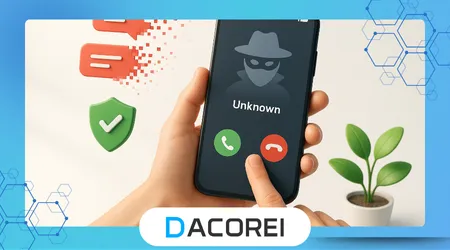
Reporting suspicious attempts creates valuable records that assist authorities and telecom companies in identifying fraud networks, shutting down dangerous routes faster for public safety.
Screenshots, call logs, and audio recordings can be used when contacting local cybercrime units, ensuring victims are not alone in combating harassment or financial deception schemes.
Security recommendations shared by law-enforcement agencies like Interpol encourage users to avoid sharing personal details or payment confirmations if they feel pressured by strangers.
The constant exposure to digital risks highlights how careless moments, such as clicking unknown links or responding to urgent requests, can compromise privacy instantly.
Staying aware of new communication threats allows individuals and families to maintain strong defense habits that prevent real emotional, financial, and psychological consequences.
++How to Protect Your Data on Public Wi-Fi
When to Seek Legal Support Against Persistent Harassment
Repeated unwanted communication, especially from disguised or threatening callers, can lead to fear, anxiety, and exhaustion when preventive measures alone are not enough.
Victims should consult consumer-rights organizations or legal professionals when serious risks emerge, ensuring their complaints go beyond technical blocking tools and reach proper authorities.
Events where children or older adults are targeted require rapid response because these groups are often manipulated through emotional pressure or false narratives that demand cooperation.
Counseling centers and community support groups help individuals recover confidence after incidents, highlighting how harassment affects mental health sometimes more than financial security.
Knowing legal options empowers victims to act decisively, protecting themselves and preventing fraudsters from continuing operations with other vulnerable individuals in similar situations.
Conclusão
Understanding how to block calls and filter suspicious messages is essential for anyone using a smartphone, because criminals adapt strategies every time technology improves protections.
Combining operating-system tools, carrier filters, and trusted third-party apps creates powerful defense layers that dramatically reduce the chance of encountering dangerous scams.
Awareness, caution, and consistent reporting support authorities and telecom networks in disabling malicious systems over time, making life harder for cybercriminals worldwide.
Strong privacy habits ensure individuals stay ahead of fraud, protecting their identity, safety, and peace of mind against evolving threats that seek easy, unprepared victims.
Perguntas frequentes
1. How do I quickly block calls on my phone?
Open your recent calls list, select the number, and tap the option to permanently block that contact from calling or messaging you.
2. Can scammers disguise their phone numbers?
Yes, scammers frequently spoof caller IDs to look trustworthy and mimic official service numbers, increasing the chance that people answer without suspicion.
3. Are call-blocking apps safe to use?
Reputable apps follow privacy standards and provide real-time identification features, helping users detect high-risk numbers before answering suspicious calls.
4. Should I report every scam attempt?
Reports help networks and authorities identify growing threats, allowing them to protect more victims by shutting down dangerous sources faster.
5. What if blocking does not stop harassment?
Seek legal support immediately, especially when threats or repeated intimidation appear, ensuring authorities take action to protect your safety and privacy.