
Anúncios

Digital services strategy increasingly defines how major technology corporations design products, allocate investment, and secure long-term revenue growth. Instead of relying solely on physical devices, global technology leaders now prioritize subscription platforms, cloud ecosystems, and integrated digital experiences across devices.
Hardware once represented the primary profit engine for many technology companies, especially during the early expansion of personal computers, smartphones, and consumer electronics. However, market saturation and declining device margins have forced corporations to reconsider how sustainable long-term growth truly emerges.
As consumer technology matured, companies discovered that digital platforms could generate recurring revenue while strengthening customer loyalty. Services such as cloud storage, streaming platforms, mobile ecosystems, and enterprise software subscriptions create predictable income that traditional hardware cycles cannot consistently provide.
This strategic transformation reshapes how companies design products, structure ecosystems, and maintain customer relationships. Devices increasingly function as gateways that connect users to broader service ecosystems where companies generate continuous revenue long after the initial purchase.
Technology giants also recognize that services produce valuable behavioral data that improves personalization, advertising performance, and product optimization. These insights allow companies to refine algorithms, anticipate user needs, and develop more targeted digital experiences.
Anúncios
This article analyzes the economic forces, strategic decisions, and technological shifts driving the growing emphasis on services across the global technology sector. It explores how companies balance hardware innovation with service expansion while redefining modern digital business models.
Why Hardware Alone No Longer Drives Sustainable Growth
For decades, technology companies relied heavily on selling physical devices to generate revenue and maintain market leadership. Personal computers, smartphones, and consumer electronics defined competitive advantage and shaped the industry’s rapid expansion across global markets.
However, hardware markets eventually reached maturity as adoption levels approached saturation in developed economies. Consumers now upgrade devices less frequently, reducing predictable sales cycles that once powered consistent growth for major technology manufacturers.
Competition among manufacturers has also intensified, compressing profit margins across smartphones, laptops, and connected devices. As production costs rise and price competition increases, companies must diversify revenue streams to maintain profitability.
Another challenge involves the long development cycles required to produce innovative hardware products. Research, manufacturing logistics, supply chains, and distribution networks demand enormous capital investments before companies even reach retail markets.
By contrast, digital services often scale rapidly without the same manufacturing constraints. Once infrastructure and software platforms exist, companies can expand services globally while controlling operational costs more effectively.
This economic reality encourages technology firms to prioritize ecosystems that extend beyond physical products. Devices still matter, but their strategic purpose increasingly revolves around connecting users to digital platforms and ongoing services.
Companies now design hardware primarily as a gateway into broader digital environments. Smartphones, tablets, smart speakers, and wearables often act as entry points to subscriptions, cloud systems, and app marketplaces.
Investors also reward predictable recurring revenue models more than volatile product sales. Subscription platforms and service ecosystems generate steady income streams that financial markets typically consider more stable and scalable.
Consequently, companies reposition hardware development as one component within a larger digital services strategy rather than the sole driver of corporate growth.
++How Satellite Internet Is Expanding Access Beyond Major Cities
The Rise of Subscription-Based Technology Ecosystems
Subscription models represent one of the most significant transformations within modern technology business strategies. Instead of relying solely on one-time purchases, companies encourage customers to maintain ongoing relationships through recurring digital service payments.
Streaming platforms, cloud storage, productivity suites, and gaming subscriptions illustrate how services generate reliable monthly or annual revenue streams. These models also encourage companies to continually improve offerings to retain subscribers.
Large technology firms increasingly bundle services together within integrated ecosystems designed to increase user retention. Customers who rely on multiple connected services often remain loyal because switching ecosystems becomes inconvenient and costly.
Subscription services also allow companies to maintain long-term engagement with users. Rather than interacting with customers only during device upgrades, firms maintain continuous relationships through apps, content platforms, and cloud infrastructure.
Companies frequently expand services gradually after establishing a strong ecosystem foundation. This approach allows them to introduce additional subscription products without requiring customers to change devices or platforms.
Digital services strategy also enables global scalability because software platforms operate across geographic boundaries more easily than hardware supply chains. Companies can deploy updates, features, and improvements instantly to millions of users worldwide.
Consumers increasingly accept subscription models as normal across entertainment, productivity, and digital storage services. This cultural shift creates new opportunities for companies to expand recurring revenue models.
One example involves the rapid growth of cloud computing services offered by companies like Amazon Web Services. According to the U.S. National Institute of Standards and Technology, cloud computing provides scalable resources that organizations can access on demand without heavy infrastructure investment.
Another example appears in consumer ecosystems where digital platforms integrate hardware and services. Companies such as Apple increasingly combine devices with subscriptions like music streaming, cloud storage, and digital media platforms.
How Digital Platforms Strengthen Customer Loyalty
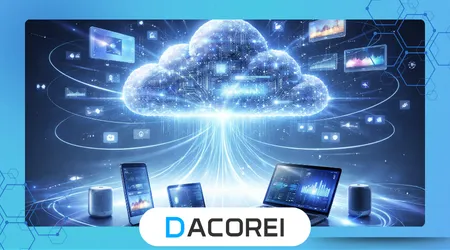
Digital platforms transform how companies interact with consumers by extending relationships beyond individual device purchases. Services maintain continuous engagement with users through apps, subscriptions, and cloud connectivity that operate across multiple devices simultaneously.
A digital ecosystem becomes more valuable as users integrate multiple services into their daily routines. Music streaming, file synchronization, messaging platforms, and productivity tools create interconnected digital environments that encourage long-term customer retention.
Companies design these ecosystems carefully to ensure seamless user experiences across devices. When services synchronize automatically between phones, tablets, and computers, customers become more invested in remaining within the same platform.
Data synchronization represents one of the strongest incentives for ecosystem loyalty. Users who store documents, photos, and personal content within cloud services often hesitate to migrate to competing platforms due to data transfer complexity.
Service ecosystems also allow companies to personalize user experiences through behavioral insights. Algorithms analyze patterns in usage, preferences, and interactions to recommend content, optimize features, and improve engagement.
These personalization capabilities become powerful competitive advantages because they enhance convenience for users. When platforms anticipate needs accurately, consumers perceive greater value from staying within the ecosystem.
Technology firms also integrate customer support, device management, and security tools into service platforms. These capabilities strengthen trust while simplifying digital life for consumers who rely heavily on connected devices.
Global institutions increasingly recognize the importance of digital ecosystems in shaping modern economies. Research published by the Organisation for Economic Co-operation and Development highlights how digital platforms create new business models and reshape traditional industry structures.
By prioritizing digital services strategy, companies transform customer relationships from transactional device purchases into long-term digital partnerships.
Comparing Hardware Revenue and Service Revenue Models
Technology companies analyze revenue streams carefully to determine where future growth will emerge. Hardware sales still generate enormous revenue globally, yet services increasingly produce higher profit margins and predictable income streams.
Service platforms also enable companies to diversify revenue sources across multiple categories simultaneously. Streaming subscriptions, digital advertising, cloud infrastructure, and app marketplaces collectively strengthen corporate financial resilience.
The financial characteristics of hardware and services differ significantly in terms of scalability and recurring revenue potential. Hardware sales fluctuate with product cycles, while services maintain consistent income through ongoing user engagement.
| Category | Hardware Model | Digital Services Model |
|---|---|---|
| Revenue Type | One-time purchase | Recurring subscription or usage fees |
| Profit Margins | Often lower due to manufacturing costs | Typically higher due to software scalability |
| Growth Pattern | Dependent on device upgrades | Continuous growth through subscriptions |
| Customer Relationship | Transactional purchase cycle | Long-term engagement through platforms |
| Global Scalability | Limited by logistics and production | Rapid expansion through cloud infrastructure |
This comparison illustrates why companies increasingly prioritize services when planning future growth strategies. Recurring digital revenue often stabilizes financial performance during periods of weaker hardware sales.
Another advantage involves faster product iteration within software platforms compared to physical device manufacturing. Companies can deploy new features quickly through updates without waiting for hardware release cycles.
Hardware remains strategically important because it anchors service ecosystems and maintains brand visibility. However, the financial center of gravity within many technology firms now clearly shifts toward services.
Industry analysis by the World Economic Forum emphasizes how digital platforms and service ecosystems increasingly shape global economic competitiveness and innovation capacity.
Companies therefore pursue balanced strategies that integrate device innovation with expanding service ecosystems capable of generating recurring revenue worldwide.
Cloud Computing as the Backbone of Service Expansion
Cloud infrastructure represents the technical foundation enabling modern digital service ecosystems. Without scalable computing resources, companies could not deliver streaming platforms, online collaboration tools, or global software services efficiently.
Technology giants invest heavily in cloud data centers to support expanding service portfolios. These facilities host massive computing systems that store data, process information, and distribute services across global networks.
Cloud infrastructure also enables companies to launch new services quickly without building separate hardware distribution systems. Software platforms can scale automatically as demand increases across different regions and markets.
Businesses increasingly rely on cloud services for enterprise software, data storage, artificial intelligence processing, and collaborative productivity platforms. This trend reinforces the importance of cloud ecosystems within digital services strategy.
Companies offering cloud platforms gain strategic advantages because they control both infrastructure and software ecosystems. This integration allows them to optimize performance, security, and scalability while expanding digital services.
Cloud technology also supports emerging innovations including machine learning, edge computing, and advanced data analytics. These capabilities allow companies to develop new services that respond dynamically to user behavior.
Service ecosystems increasingly rely on artificial intelligence running within cloud platforms. AI systems analyze large datasets to improve recommendations, automate workflows, and deliver personalized digital experiences.
This technological infrastructure supports billions of connected devices worldwide. Smartphones, laptops, smart homes, and connected vehicles all depend on cloud services to synchronize data and deliver real-time functionality.
Consequently, cloud computing serves as the invisible architecture supporting the modern transition from hardware manufacturing toward service-driven technology ecosystems.
++Big Changes Coming to App Stores That Will Affect Users
Future Implications for the Global Technology Industry
The growing dominance of digital services reshapes competition across the entire technology sector. Companies increasingly compete based on ecosystem strength, platform capabilities, and service innovation rather than hardware specifications alone.
Hardware innovation still matters, particularly for emerging technologies such as augmented reality devices and connected home ecosystems. However, these devices increasingly function as portals that connect users to broader digital services.
Startups entering the technology sector now prioritize platform strategies earlier in their development cycles. Building service ecosystems often becomes more important than manufacturing physical products.
Regulators also pay closer attention to large digital platforms because service ecosystems influence competition, data governance, and consumer privacy. Governments worldwide continue developing policies addressing digital platform power.
Consumers benefit from integrated digital experiences that simplify daily tasks across entertainment, communication, and productivity. At the same time, they must evaluate how service ecosystems manage personal data and privacy.
Technology companies therefore invest heavily in cybersecurity and data protection capabilities. Trust becomes essential when users depend on digital services for financial transactions, personal communications, and professional work.
Artificial intelligence will likely accelerate service innovation across multiple industries. AI-powered platforms can automate complex tasks, deliver personalized insights, and transform digital productivity tools.
As these trends evolve, hardware devices will remain important but increasingly function within larger service ecosystems. Technology firms must continuously innovate across both physical products and digital platforms.
Ultimately, companies that successfully balance hardware innovation with scalable digital services will define the next generation of global technology leadership.
++Why Phones Are Getting Fewer Physical Buttons Each Year
Conclusão
Technology companies once measured success primarily through device shipments and hardware market share. Today, digital services strategy increasingly determines long-term competitiveness across global technology markets.
Recurring revenue models reshape financial expectations within the technology industry. Investors increasingly value subscription platforms and service ecosystems that generate predictable income streams.
Cloud infrastructure enables companies to deliver services at unprecedented scale. These platforms support billions of users while allowing rapid expansion into new markets.
Service ecosystems also strengthen customer loyalty by integrating multiple digital experiences within unified platforms. Users often remain within ecosystems because switching platforms disrupts data synchronization and familiar workflows.
The relationship between hardware and services continues evolving rapidly. Devices now serve as gateways that connect consumers to broader digital platforms and cloud ecosystems.
Artificial intelligence further accelerates the growth of service-driven technology models. AI capabilities allow companies to personalize experiences, automate processes, and deliver intelligent digital tools.
At the same time, companies must balance innovation with responsible data governance. Consumer trust becomes critical when digital platforms manage sensitive personal and professional information.
Regulatory frameworks will likely expand as governments address the growing influence of digital platforms. Policymakers increasingly evaluate competition, privacy, and transparency within digital service ecosystems.
Despite these challenges, the shift toward services reflects broader economic and technological transformations. Digital platforms enable scalable innovation that traditional hardware manufacturing alone cannot sustain.
The companies that successfully integrate devices, cloud infrastructure, and digital services will shape the next era of the global technology industry.
Perguntas frequentes
1. What does digital services strategy mean in the technology sector?
Digital services strategy refers to a corporate approach where companies prioritize software platforms, subscriptions, cloud infrastructure, and online services as core revenue drivers rather than relying primarily on hardware product sales.
2. Why are technology companies focusing more on services than hardware?
Services provide recurring revenue, higher profit margins, and continuous customer engagement, while hardware sales depend heavily on upgrade cycles and often face declining margins due to manufacturing costs.
3. Do hardware devices still matter in modern technology ecosystems?
Yes, hardware remains essential because devices act as gateways that connect users to digital platforms, cloud services, and subscription ecosystems.
4. What role does cloud computing play in digital services?
Cloud computing provides scalable infrastructure that allows companies to deliver streaming, storage, collaboration tools, and artificial intelligence services to millions of users worldwide.
5. How do service ecosystems increase customer loyalty?
Service ecosystems integrate multiple digital tools and platforms that synchronize across devices, making it convenient for users to remain within the same ecosystem.
6. Are subscription models becoming the standard in technology services?
Yes, subscriptions dominate many sectors including streaming media, cloud storage, productivity software, and gaming platforms because they generate predictable recurring revenue.
7. How does artificial intelligence support digital service platforms?
Artificial intelligence analyzes user behavior and large datasets to improve personalization, automate processes, and enhance digital service experiences.
8. Will hardware eventually disappear from the technology industry?
No, hardware will continue evolving, but its strategic role increasingly centers on supporting service ecosystems rather than serving as the primary source of revenue.