
Anúncios
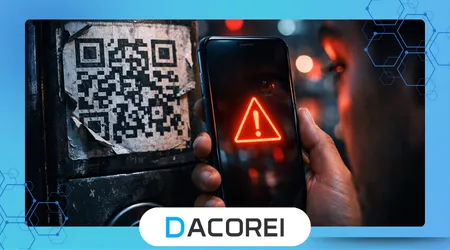
QR code scams have expanded rapidly as criminals exploit everyday scanning habits to redirect victims toward malicious websites and fraudulent payment requests. This article examines why QR codes attract scammers, how attacks unfold, and what concrete safeguards reduce risk.
Businesses, restaurants, parking meters, and delivery services increasingly rely on QR codes to streamline transactions and reduce physical contact. That widespread normalization creates trust, and attackers deliberately exploit that automatic trust to bypass traditional skepticism.
Most people assume a QR code is harmless because it appears as a simple geometric pattern without visible content. However, the code can conceal complex instructions, including links to phishing portals, malware downloads, or payment gateways.
Unlike suspicious email attachments, QR codes often appear in physical environments where people feel safe. Criminals strategically place fake codes on public signage, restaurant tables, and utility bills to exploit this sense of legitimacy.
The technical simplicity of generating a QR code lowers the barrier to entry for fraudsters. Free online tools allow attackers to encode malicious URLs within seconds and distribute them widely without advanced programming skills.
Anúncios
This article analyzes the mechanics of QR code scams, common attack patterns, real-world consequences, and practical defensive strategies. It also outlines verification techniques, scanning best practices, and digital hygiene standards that strengthen personal cybersecurity.
Why QR Codes Have Become Attractive to Cybercriminals
Criminals favor QR codes because they bridge the physical and digital worlds seamlessly. That bridge allows attackers to bypass traditional email filters, spam detection systems, and corporate network security gateways.
A malicious QR code does not reveal its destination to the naked eye. Users must scan it first, and by the time they view the URL, they may already be psychologically committed to completing the action.
Attackers exploit urgency in environments like parking garages and public transport terminals. Victims scan quickly to avoid fines or delays, reducing the likelihood that they scrutinize the destination website carefully.
Scammers also take advantage of the contactless culture reinforced during global health crises. People now expect QR codes for menus, payments, and event check-ins, which normalizes scanning behavior.
Fraudsters print counterfeit stickers and overlay them on legitimate QR codes. That tactic, often called “quishing,” manipulates physical infrastructure without requiring digital compromise.
Because QR codes can encode payment information, criminals redirect victims to fake donation campaigns or counterfeit merchant portals. Victims believe they are paying a trusted provider when they are actually transferring funds to attackers.
Mobile devices automatically open web browsers after scanning most QR codes. That automation reduces friction and accelerates phishing attempts before users recognize warning signs.
QR codes can also embed commands beyond URLs, including Wi-Fi connection instructions. An attacker can direct a device to join a rogue network controlled by the criminal.
Finally, law enforcement agencies report that QR-related fraud has risen in parallel with mobile payment adoption. The scalability and low cost of QR distribution make it a persistent and adaptable threat vector.
++How SIM Swap Attacks Take Over Your Accounts Without Touching Your Phone
Common Types of QR Code Scams in the Real World
One widespread tactic involves fake parking payment codes placed over official signage. Victims scan the code, enter card details on a fraudulent page, and unknowingly expose financial credentials.
Another common scenario targets restaurant customers using counterfeit menu codes. Instead of displaying a menu, the code redirects users to phishing forms requesting login or payment information.
Cybercriminals also send QR codes via email attachments to bypass spam filters. Because many filters scan for malicious links rather than embedded QR images, the tactic evades automated detection systems.
According to guidance from the Federal Trade Commission, scammers frequently use QR codes in messages claiming account problems or delivery issues. These messages pressure recipients to scan quickly and submit personal information.
Charity fraud represents another significant category of QR abuse. Attackers distribute posters or social media images containing donation codes linked to private wallets rather than legitimate nonprofit accounts.
Corporate environments face internal QR phishing as well. Attackers send printed mailers to employees containing codes that lead to credential harvesting portals disguised as security updates.
The Cybersecurity and Infrastructure Security Agency warns that QR codes may direct victims to malware downloads or exploit kits targeting outdated mobile operating systems. These attacks can compromise devices beyond simple credential theft.
Below is a summary of typical QR scam formats and their primary objectives:
| Scam Type | Primary Goal | Typical Environment |
|---|---|---|
| Fake parking payment | Card data theft | Public parking areas |
| Counterfeit menu | Credential harvesting | Restaurants |
| Email QR phishing | Account takeover | Corporate inboxes |
| Donation fraud | Direct financial theft | Public events |
| Malware redirect | Device compromise | Online messages |
Law enforcement agencies worldwide have documented increased QR-related fraud reports. As adoption expands across industries, attackers continue refining social engineering tactics around everyday scanning behavior.
How QR Code Attacks Actually Work

QR code attacks rely on social engineering rather than technical complexity. The attacker’s goal is to trigger automatic trust before the victim evaluates risk critically.
First, criminals create a malicious website that imitates a legitimate brand convincingly. They then encode the fraudulent URL into a QR image using widely available generation tools.
Next, they distribute the code through physical stickers, printed flyers, or digital images. The placement strategy targets locations where users expect to scan without hesitation.
When a victim scans the code, the smartphone decodes the embedded data instantly. Most devices open the associated link automatically, presenting the fake interface within seconds.
The phishing site requests sensitive data such as login credentials, payment information, or identity verification details. Because the context appears familiar, victims often comply quickly.
In more advanced attacks, the site silently installs malicious software if the device lacks security updates. The malware may monitor keystrokes, intercept authentication codes, or harvest stored credentials.
The National Institute of Standards and Technology emphasizes that mobile phishing often succeeds due to limited screen space. Smaller displays obscure full URLs, making subtle domain alterations harder to detect.
Attackers sometimes shorten URLs before encoding them into QR codes. URL shorteners further conceal suspicious domains and complicate real-time verification.
Ultimately, the entire process depends on speed and distraction. Criminals rely on urgency, trust, and automation to move victims from scanning to submission before suspicion arises.
How to Scan QR Codes Safely
Safe scanning begins with environmental awareness and visual inspection. If a QR code appears as a sticker layered on another surface, treat it as potentially fraudulent.
Always preview the URL before opening it fully. Most smartphones display the destination link briefly, giving users an opportunity to verify the domain.
Examine the web address carefully for misspellings or unusual extensions. Attackers frequently register domains that differ by a single letter from legitimate brands.
Avoid entering credentials immediately after scanning a QR code. Instead, navigate manually to the official website through a trusted browser bookmark if verification is required.
Use a mobile security application that checks links against known malicious databases. Reputable security tools flag suspicious domains before pages load completely.
Keep your device’s operating system updated consistently. Security patches close vulnerabilities that malware-based QR attacks attempt to exploit.
Disable automatic Wi-Fi connections triggered by QR scans. Confirm network names manually to prevent connecting to rogue hotspots.
If a QR code requests payment, confirm the request through an official channel. Contact the organization directly using verified contact information rather than relying on the scanned page.
Finally, treat unsolicited QR codes in emails or text messages as suspicious by default. Legitimate institutions rarely require urgent QR-based verification without alternative secure options.
++Social Media Privacy Settings You Should Review Today
The Psychological Factors Behind QR Code Fraud
QR scams succeed because they exploit cognitive shortcuts and habitual behavior. People associate QR codes with convenience and efficiency rather than danger.
Attackers manipulate urgency by placing codes in time-sensitive contexts. Parking deadlines and delivery notifications trigger immediate action rather than deliberate analysis.
Visual simplicity also contributes to misplaced trust. The abstract black-and-white design appears neutral and technical, masking malicious intent effectively.
Social proof amplifies vulnerability in public settings. When others scan a visible code confidently, individuals assume legitimacy without conducting independent verification.
Authority cues further increase compliance. Scammers design signage to resemble official branding, uniforms, or government notices to reinforce perceived authenticity.
Mobile interfaces limit contextual awareness compared to desktop environments. Small screens compress information and reduce the visibility of full domain structures.
Habit formation plays a critical role as well. Repeated exposure to legitimate QR codes conditions users to respond reflexively without questioning destination authenticity.
Emotional triggers such as fear of penalties or missing deliveries override rational evaluation. Attackers deliberately construct scenarios that elevate stress and accelerate decisions.
Understanding these psychological drivers empowers users to slow down intentionally. Conscious interruption of automatic scanning behavior significantly reduces the likelihood of exploitation.
Building Long-Term Digital Hygiene Against QR Threats
Sustainable protection requires consistent cybersecurity habits rather than reactive caution. Treat QR codes as potential entry points into broader phishing ecosystems.
Educate family members and colleagues about QR-related risks explicitly. Awareness reduces the chance that a single compromised device jeopardizes shared accounts.
Enable multi-factor authentication on financial and email platforms. Even if credentials leak through a QR scam, additional verification layers prevent immediate takeover.
Monitor financial statements and account activity regularly. Early detection of unauthorized transactions limits damage and simplifies recovery processes.
Report suspicious QR codes to property managers or business owners promptly. Removing fraudulent stickers prevents additional victims from falling into the trap.
Organizations should implement internal policies restricting unsolicited QR-based login procedures. Clear protocols reduce confusion and eliminate ambiguity for employees.
Security teams must integrate QR phishing simulations into awareness training programs. Controlled exercises prepare staff to recognize and resist real-world attempts.
Adopt a zero-trust mindset when interacting with any encoded digital instruction. Assume no QR code is safe until verified through independent validation.
By embedding these practices into everyday routines, individuals and institutions reduce systemic exposure. Long-term resilience depends on disciplined verification and proactive digital hygiene.
++How to Safely Store Passwords Without Writing Them Down
Conclusion
QR code scams illustrate how convenience technologies can transform into sophisticated fraud vectors rapidly. Criminals leverage trust, urgency, and automation to convert simple scans into financial or data breaches.
The rise of mobile payments and contactless services has normalized scanning behavior across demographics. That normalization reduces skepticism and increases exposure to deceptive tactics.
Unlike traditional phishing emails, QR attacks often originate in physical spaces. This hybrid nature complicates detection and shifts responsibility to user awareness.
Understanding the mechanics behind quishing empowers individuals to recognize red flags before submitting sensitive information. Knowledge interrupts the rapid decision cycle attackers depend on.
Verifying URLs carefully remains one of the most effective defensive measures. A brief pause to inspect domain details can prevent substantial financial and identity damage.
Technical safeguards such as software updates and security applications add additional protective layers. However, technology alone cannot compensate for careless scanning habits.
Psychological awareness strengthens resilience against manipulation. Recognizing urgency tactics helps users slow down and evaluate context rationally.
Organizations must treat QR security as part of broader phishing defense strategies. Clear policies and employee education reduce institutional vulnerability.
Individuals who cultivate disciplined digital hygiene significantly reduce their exposure. Consistent verification practices transform QR codes from hidden risks into manageable tools.
Ultimately, safe scanning depends on conscious behavior, technical vigilance, and informed skepticism. When users combine awareness with structured safeguards, QR code scams lose much of their effectiveness.
FAQ
1. What is a QR code scam?
A QR code scam occurs when criminals embed malicious links or payment instructions within a QR image to trick victims into revealing sensitive data or transferring money to fraudulent accounts.
2. Can scanning a QR code alone infect my phone?
Scanning alone usually does not infect a device, but visiting the linked malicious page or downloading prompted files can trigger malware installation if security protections are outdated.
3. Why do scammers prefer QR codes over email links?
QR codes bypass many traditional email filtering systems and appear more trustworthy in physical environments, increasing the likelihood that victims interact without suspicion.
4. How can I verify a QR code safely?
Preview the URL before opening it, inspect the domain carefully, and cross-check the request by visiting the organization’s official website manually rather than relying on the scanned link.
5. Are QR codes in public places risky?
Yes, especially when stickers appear layered or damaged, because attackers frequently overlay counterfeit codes on legitimate signage in parking lots, restaurants, and transit stations.
6. What should I do if I entered information after scanning a suspicious code?
Immediately change affected passwords, notify financial institutions if payment details were submitted, enable multi-factor authentication, and monitor accounts for unauthorized activity.
7. Do antivirus apps protect against QR scams?
Mobile security applications can block known malicious domains and detect suspicious downloads, but they must be combined with user vigilance to prevent phishing success.
8. Are businesses responsible for QR code fraud on their premises?
Businesses share responsibility for monitoring and removing tampered signage, but users must also practice cautious scanning and independent verification to maintain personal security.